Figuring out how to arrange furniture can be a real headache, right? You want your place to look good and feel comfy, but sometimes it just doesn’t seem to work. Every room is different, and those weird corners or windows can throw a wrench in your plans. This furniture arrangement guide is here to help you sort it all out, making your space feel bigger and work better for you. We’ll go through some simple steps to get your furniture looking just right.
Key Takeaways
- Always measure your room and furniture before you start moving things. It saves a lot of hassle.
- Think about where people walk so everyone can move around easily.
- Make one thing the main focus, like a fireplace or TV, and arrange furniture around it.
- Don’t put huge furniture in small rooms, and mix big and small pieces to make it look balanced.
- Use furniture that does more than one thing, like an ottoman with storage, to save space.
Mastering Your Furniture Arrangement Guide
Figuring out where to put your furniture can feel like a puzzle, right? It’s not just about making things look pretty; it’s about making your space work for you. A well-arranged room feels better, flows better, and honestly, just makes life easier. Think about it – you want to be able to walk around without bumping into things, and you want the room to feel welcoming, not cramped.
Understanding Why Furniture Arrangement Matters
So, why all the fuss about where the sofa goes? Well, furniture arrangement is the backbone of a functional and pleasant room. It dictates how you move through a space and how you interact with it. Poorly placed furniture can make even a large room feel small and awkward, while smart placement can make a tiny apartment feel spacious and inviting. It’s about creating zones for different activities, like reading, watching TV, or just chatting with friends. Getting this right means your room won’t just look good; it’ll feel good too.
Assessing Your Space: Room Dimensions and Traffic Flow
Before you even think about pushing a couch, you need to know your room. Grab a tape measure and get the basics down. You’ll want to know the length and width of the room, but also where the doors and windows are. Don’t forget to note any weird architectural bits, like radiators or built-in shelves.
Here’s a quick checklist for assessing your space:
- Measure the room: Get the exact length and width.
- Map out openings: Note the size and location of doors and windows.
- Identify fixed features: Mark fireplaces, built-in cabinets, or other permanent items.
- Consider traffic paths: Think about how people will naturally walk through the room. You need clear paths, usually at least 2-3 feet wide, so people aren’t squeezing past furniture.
Understanding these basic measurements and flow patterns is the first step to avoiding furniture placement headaches. It stops you from guessing and moving heavy items back and forth endlessly.
Strategic Furniture Placement for Optimal Flow
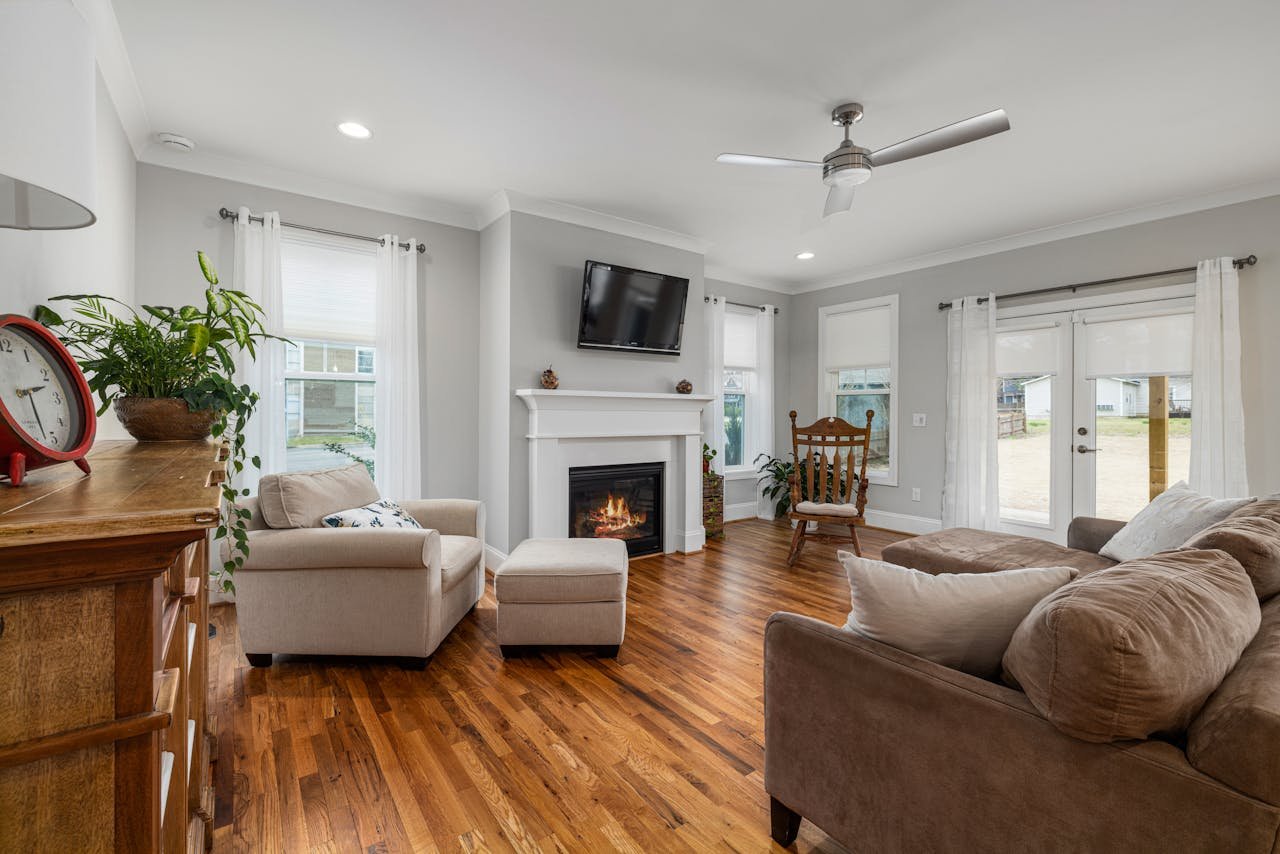
Okay, so you’ve got your room measured and maybe even sketched out a few ideas. Now comes the fun part: actually putting the furniture where it makes sense. This isn’t just about making things look pretty; it’s about making your space work for you, day in and day out. Think about how you actually use the room. Where do people naturally walk? Where do you tend to gather?
Measure Twice, Arrange Once: The Power of Planning
Seriously, don’t skip this. Before you start shoving sofas around, grab that tape measure again. You need to know not just the room’s dimensions, but also the size of your furniture. A quick sketch on graph paper, or even using an online tool, can save you a ton of hassle. You can try out different layouts without breaking a sweat or scratching your floors. It’s all about visualizing how everything will fit and, more importantly, how you’ll move around it. Remember to mark doors, windows, and any built-in features. This planning stage is where you prevent future headaches.
Sketching Layout Options for Your Space
Once you have your measurements, it’s time to play designer. Draw out your room to scale and then cut out little paper versions of your furniture. You can then move these around on your sketch to see what works best. Consider the room’s main purpose. Is it for watching TV? Reading? Entertaining guests? Your layout should support that primary function. Don’t be afraid to try unconventional arrangements; sometimes, floating a sofa away from the wall can actually make the room feel bigger and improve the flow.
Defining Zones Within Your Room
Even in a single room, you can create different areas for different activities. For example, in a living room, you might have a main seating area for conversation and TV watching, and perhaps a smaller nook for reading. Use furniture placement and area rugs to visually separate these zones. This makes the room feel more organized and functional. Think about how you want to use each part of the space and arrange the furniture to support that. For instance, placing a comfortable armchair near a window with a small side table and a lamp can create a perfect reading zone.
Good traffic flow is key. Imagine people walking through your room – are they constantly bumping into things or having to squeeze past furniture? You want clear pathways, usually around 3 feet wide, so people can move easily without feeling like they’re in a maze. This makes the room feel more open and less cluttered, even if it’s not huge. It’s about creating a sense of ease and comfort for everyone using the space.
Here are some common layout considerations:
- Living Room: Focus on creating a comfortable seating arrangement that encourages conversation. Ensure easy access to the main entry and any other functional areas like a dining space.
- Bedroom: Prioritize a clear path to the bed and closet. Consider bedside tables and dresser placement for convenience.
- Home Office: Arrange your desk to face the door or a window if possible, and ensure your chair has enough space to swivel and move freely. Keep frequently used items within easy reach.
Getting the layout right is a big step towards making your home feel more spacious and livable. It’s about making smart choices now that pay off in daily comfort and usability. For more ideas on making the most of your living area, check out modern bedroom design.
Creating a Focal Point and Conversation Areas
Okay, so you’ve got your room measured and you’re thinking about where everything should go. Now, let’s talk about making it feel intentional and inviting. This is where creating a focal point and setting up good conversation areas really comes into play. It’s not just about shoving furniture in a room; it’s about guiding the eye and making people feel comfortable talking to each other.
Selecting and Highlighting Your Room’s Focal Point
Every room needs a star, right? This is your focal point. It could be a fireplace, a big window with a great view, or even a really striking piece of art. Sometimes, it’s the TV, and that’s fine too. The trick is to figure out what that main attraction is and then arrange your furniture so it naturally draws attention to it. For example, if you have a beautiful fireplace, you’ll want to arrange your seating so it faces that way. It just makes sense. If your focal point is a stunning view, make sure the furniture is angled to take advantage of that. The goal is to make your chosen focal point the natural center of attention.
Arranging Furniture for Engaging Conversations
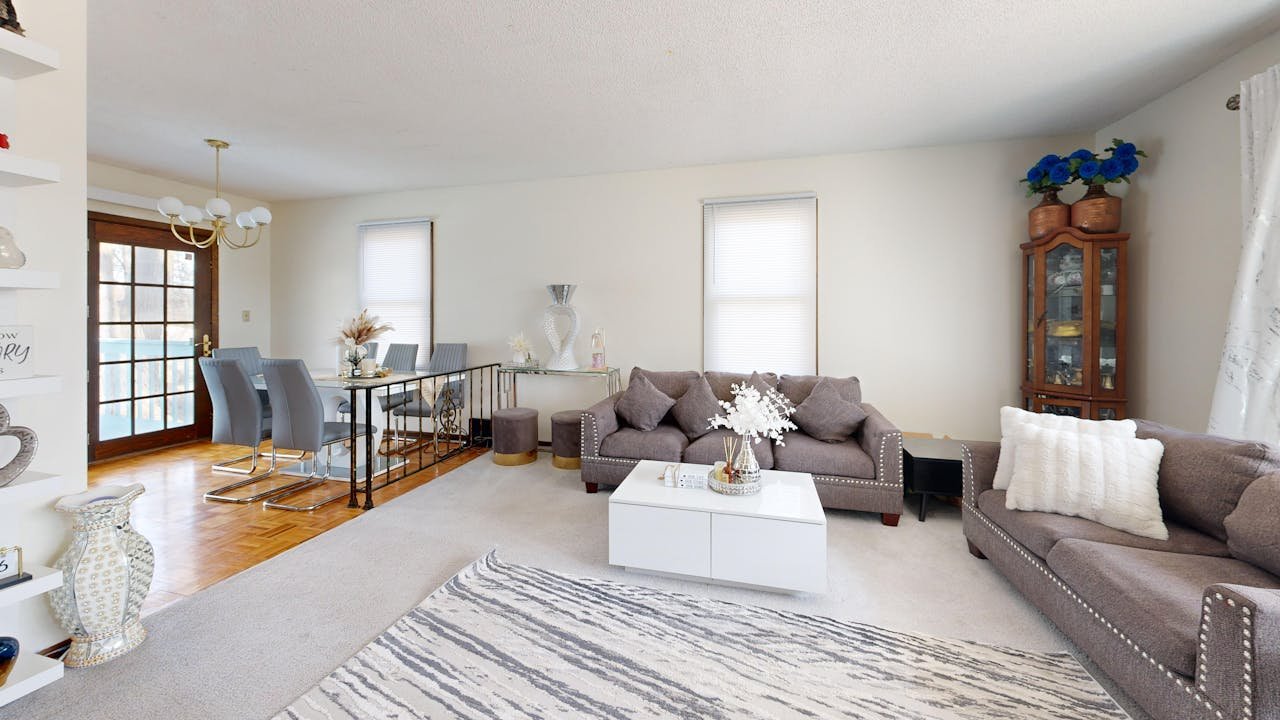
This is where the magic happens for making your space feel lived-in and friendly. Think about how people actually talk. You don’t want everyone craning their necks or shouting across the room. Aim to place seating pieces, like sofas and chairs, so they’re facing each other, or at least angled in a way that makes eye contact easy. Keep them relatively close – generally, no more than nine feet apart. This creates a cozy little bubble for chatting. A coffee table or ottoman in the middle is super handy for drinks or just resting your feet. It really pulls the whole group together.
Here are a few ideas for conversation groupings:
- Facing Pairs: Place two sofas or a sofa and two chairs directly opposite each other.
- L-Shape: A sofa and a love seat or two chairs arranged at a right angle create an intimate corner.
- U-Shape: This involves a sofa and two chairs (or two love seats) forming a “U” shape, offering a very enclosed and social setup.
When you’re arranging furniture for conversation, think about the flow of people moving through the room. You don’t want guests to have to squeeze past someone’s lap to get to the kitchen. Make sure there are clear paths, but don’t let those paths break up your seating groups too much.
Utilizing Area Rugs to Unify Seating Groups
Area rugs are like the glue that holds your furniture arrangement together, especially for conversation areas. They visually define a space, making a large room feel cozier or clearly marking out a specific zone. Ideally, the front legs of your main seating pieces (sofa, chairs) should rest on the rug. This anchors the furniture and makes the whole setup feel more intentional and less like random pieces floating around. It’s a simple trick, but it makes a huge difference in how cohesive your living room design feels. A rug that’s too small can make your furniture look like it’s perched on top, so make sure it’s got enough heft to ground your arrangement.
Balancing Scale and Proportion in Furniture Arrangement
Playing with Scale and Proportion: Avoid Overwhelming Your Space
Ever walked into a room and felt like the furniture was either drowning in the space or completely taking over? That’s usually a scale and proportion issue. It’s all about making sure your furniture pieces look right for the size of the room they’re in. Think of it like dressing yourself – you wouldn’t wear a giant, puffy coat in the summer, right? Same idea applies here. Big, bulky furniture in a tiny room can make it feel even smaller and super cramped. On the flip side, tiny little chairs in a massive living room can make the whole place feel a bit empty and unfinished.
Balancing Large and Small Furniture Pieces
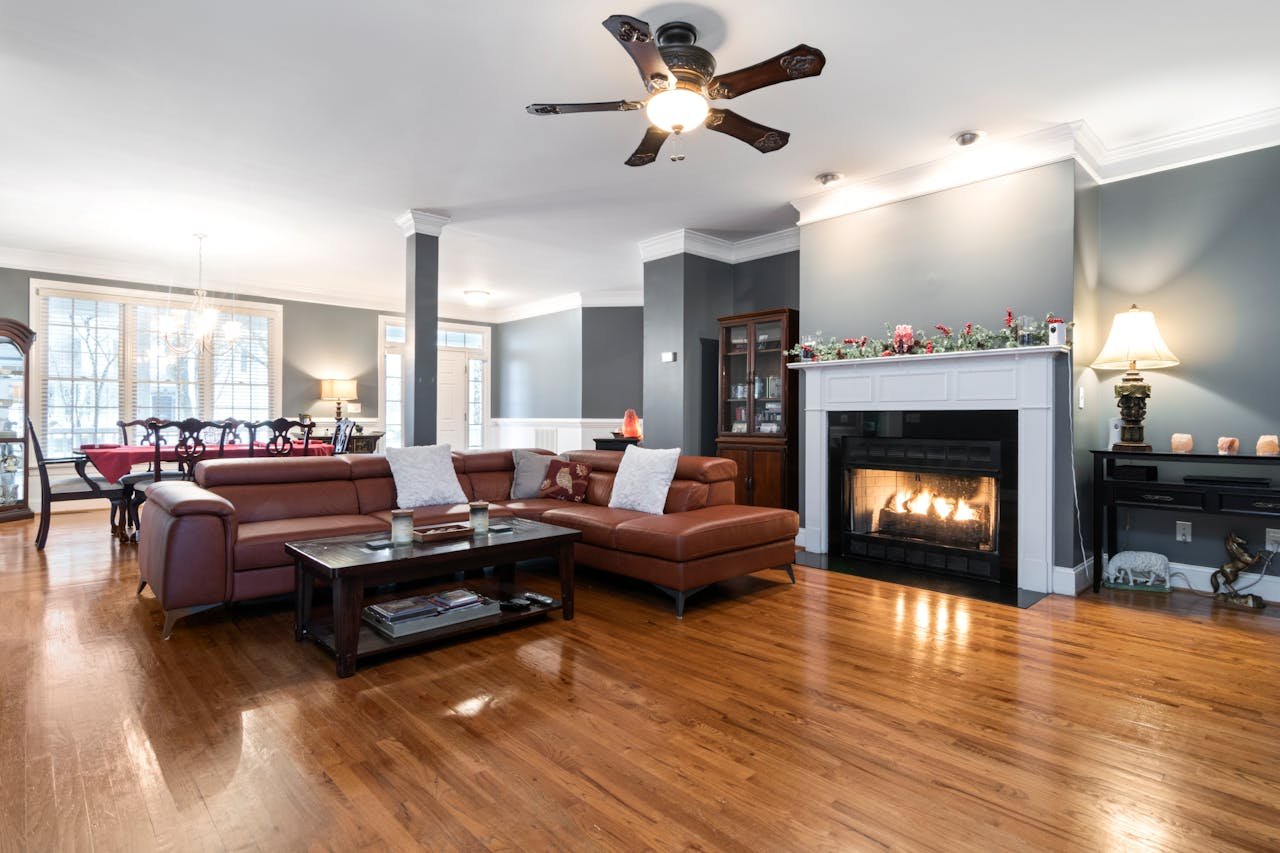
So, how do you get it right? The trick is to mix it up. If you’ve got a big, comfy sectional sofa, try pairing it with some smaller accent chairs or slim side tables. This creates a visual balance. It’s like having a main character and some supporting actors – they all have their place and make the whole scene work. For example, a large sofa might anchor one side of the room, while two smaller armchairs create a cozy nook on the other. This prevents one type of furniture from dominating the entire space.
Choosing Furniture with Lighter Visual Weight
Sometimes, even if a piece of furniture isn’t physically huge, it can still feel heavy. Think dark, solid wood pieces with thick legs. To make a room feel more open and airy, especially if it’s on the smaller side, opt for furniture that has a lighter visual weight. This could mean pieces with legs that lift them off the floor, like sofas or chairs on slender legs. Furniture made with glass or lighter-colored materials can also help. Even furniture with open shelving or a more streamlined design can contribute to a feeling of spaciousness. It’s about creating a sense of airiness, not just fitting things in.
Here’s a quick way to think about it:
- Large Pieces: Use them strategically to define areas or as a main seating option.
- Medium Pieces: These can act as bridges, connecting larger and smaller items.
- Small Pieces: Great for filling gaps, adding functional surfaces, or creating intimate seating.
When you’re picking out furniture, always consider how it will look and feel in your specific room. A piece that looks great in the store might be a totally different story once it’s in your home. Take measurements, sketch out your ideas, and try to visualize the overall impact before you buy.
Maximizing Space with Smart Furniture Choices
Living in a smaller space doesn’t mean you have to sacrifice style or comfort. It just means we need to be a bit more clever about the furniture we pick and how we use it. Think of it as a puzzle where every piece needs to work overtime. The goal is to make your room feel bigger and function better, all without feeling cluttered.
Embracing Multi-Functional Furniture Solutions
This is where the real magic happens for small spaces. Instead of a sofa that only sits, why not have one that also hides blankets or pulls out into a bed? Multi-functional pieces are your best friend. They’re like the Swiss Army knife of furniture.
Here are some ideas:
- Sofa Beds and Daybeds: Perfect for when guests stay over. During the day, they’re just comfy seating, but at night, they transform.
- Storage Ottomans and Coffee Tables: These are fantastic. You can put your feet up, rest a drink, or even use a lift-top coffee table as a makeshift desk, all while stashing away remotes, magazines, or extra throws.
- Nesting Tables: A set of tables that tuck neatly under each other. Pull them out when you need extra surface space, and push them back in when you don’t. Super handy.
- Foldable or Extendable Dining Tables: If you have a small dining nook, a table that can shrink for everyday use and expand for company is a lifesaver. It adapts to your life.
Wehomz has some great options if you’re looking for furniture that does more than one thing, making your home feel more organized and spacious.
Optimizing Vertical Space for Storage and Display
When you can’t spread out, you go up! Using the walls is a smart way to add storage and display areas without taking up precious floor space. It also draws the eye upward, which can make a room feel taller.
- Tall, Narrow Bookcases: These look great and offer tons of storage for books, decor, or even those things you need but don’t want lying around. Open shelves keep things feeling airy.
- Wall-Mounted Shelves: Floating shelves are super versatile. Use them for displaying photos, plants, or even setting up a small work area. They add function without bulk.
- Hanging Storage Solutions: Think about wall-mounted cabinets or even pegboards in certain areas (like a kitchen or craft room) to keep things organized and off surfaces.
Incorporating Sleek Designs and Transparent Elements
Sometimes, it’s not just about the size of the furniture, but how it looks in the room. Bulky, dark pieces can make a space feel smaller. Opting for furniture with a lighter visual weight can make a big difference.
- Furniture with Legs: Pieces that are raised off the floor, like sofas or tables with visible legs, create a sense of openness. You can see the floor underneath, which tricks the eye into thinking the room is larger.
- Clean Lines and Minimalist Styles: Furniture with simple, straight lines and less ornamentation tends to look less heavy. Think modern or Scandinavian designs.
- Transparent Materials: Coffee tables or side tables made of glass or acrylic can almost disappear. They provide a surface without visually blocking the space, which is a great trick for making small rooms feel bigger.
Choosing furniture that is proportionate to your room’s size is key. Don’t just look at the dimensions; consider how heavy or light the piece feels visually. A large, overstuffed armchair might fit, but it could dominate the room. A sleeker, armless chair might offer similar comfort but allow the space to breathe.
Navigating Awkward Spaces and Unique Layouts
Tips for Tricky Room Layouts
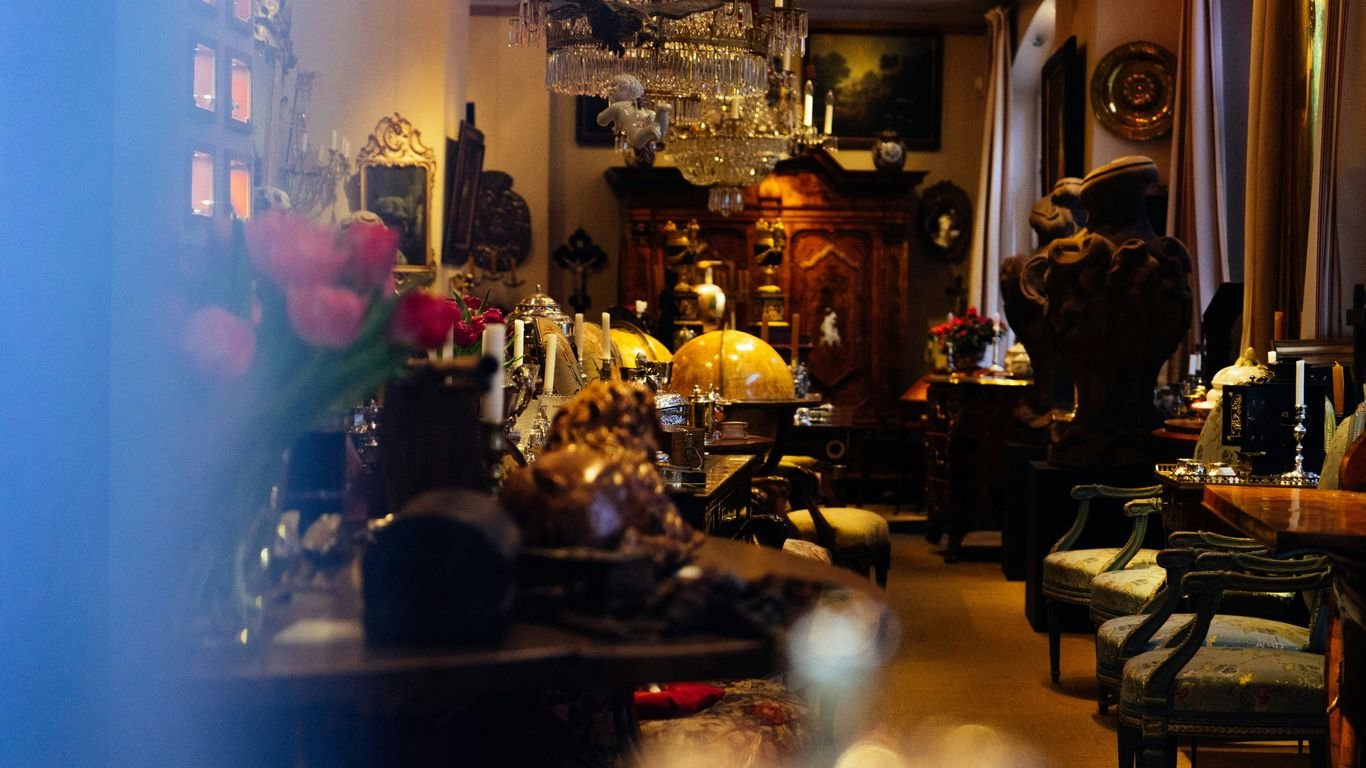
Not every room is a perfect rectangle, right? Sometimes you end up with spaces that just don’t make immediate sense for furniture. Think L-shaped rooms, rooms with too many doors, or even just oddly placed windows. The key here is to treat each section of the room as its own potential zone. Don’t try to force one big layout onto a space that’s naturally broken up. Instead, work with the room’s existing structure. For example, an alcove can become a cozy reading nook, or a wide hallway can be sectioned off with a console table and a rug to feel like a distinct entry area.
Working with Alcoves and Architectural Features
Alcoves and built-in features like fireplaces or bay windows can be a blessing or a curse. If you have an alcove, it’s practically begging for a purpose. A small desk and chair can turn it into a home office, or a comfy armchair with a side table and a lamp can create a perfect little reading spot. For bay windows, consider placing a bench seat with cushions, or arrange seating to take advantage of the view. Fireplaces are natural focal points, so arrange your main seating to face them. If you have a tricky architectural element, like a sloped ceiling or an unusual corner, try to place furniture that complements it rather than fights against it. Sometimes, a piece of furniture that’s a bit lower or has a softer profile works best.
Arranging Furniture in Narrow or Compact Rooms
Narrow rooms can feel like a hallway, and compact rooms can feel cramped if you’re not careful. The trick is to use furniture that’s scaled appropriately and to think about flow. Avoid large, bulky pieces that eat up floor space. Instead, opt for furniture with clean lines and a lighter visual weight. Think slim sofas, armless chairs, and nesting tables that can be tucked away when not in use. In a narrow living room, you might place a sofa against one long wall and then arrange chairs opposite it, leaving a clear path down the middle. In a compact bedroom, a bed with built-in storage can be a lifesaver, and wall-mounted shelves can free up floor space.
Here are a few ideas for narrow spaces:
- Create Zones: Use rugs to define different areas, like a seating area and a dining area.
- Go Vertical: Utilize wall space for shelving and storage to keep the floor clear.
- Choose Multi-functional Pieces: Ottomans with storage, sofa beds, and extendable tables are your best friends.
- Keep it Light: Opt for lighter colors and furniture with visible legs to make the space feel more open.
When dealing with challenging room shapes, the goal is to make the space feel intentional and functional. Don’t be afraid to experiment with different arrangements on paper first. Sometimes, placing a sofa at an angle or using a round coffee table can make a surprising difference in how a room feels and flows. It’s all about making the space work for you, not the other way around.
Putting It All Together
So, there you have it. Arranging furniture might seem like a puzzle sometimes, but with a little thought and these tips, you can totally make your space work better for you. It’s all about figuring out what you need the room to do and then placing your stuff so it makes sense. Don’t be afraid to move things around a bit – sometimes the best layout isn’t the first one you try. A well-arranged room just feels better, you know? It’s more comfortable, easier to get around, and honestly, just looks nicer. Go ahead and give it a shot, you might be surprised at what you can do with the space you’ve got.
Frequently Asked Questions
Why is arranging furniture important?
Arranging furniture the right way makes your room look better and work better. It helps you move around easily and makes the space feel bigger and more comfy. Think of it like organizing your toys so you can actually play with them!
What’s the first step before moving any furniture?
Before you move a single thing, grab a tape measure! You need to know the exact size of your room and the furniture you have. It’s like planning a route before a trip – it saves you from getting lost or stuck.
How do I make a small room feel bigger?
Use furniture that has legs so you can see the floor underneath, or choose pieces that are see-through like glass tables. Also, don’t pick furniture that’s too big for the room. Lighter colors and keeping things tidy help a lot too!
What is a ‘focal point’ in a room?
A focal point is the main thing that catches your eye when you walk into a room, like a fireplace, a big window with a nice view, or even a TV. You want to arrange your furniture so people naturally look at and gather around this spot.
How can I use rugs to help arrange my furniture?
Rugs are like magic carpets for furniture! They can group a bunch of seating pieces together, making them feel like their own cozy area. Try to have at least the front legs of your main furniture pieces sitting on the rug.
What if my room has weird shapes or corners?
Don’t worry about those tricky spots! You can use them to your advantage. Put a comfy chair and a small table in a corner to create a reading nook, or use shelves to fill up an odd space. Just think about what you want to do in that spot.