Thinking about sprucing up your place in Sri Lanka? It’s a big question, how much does interior design cost? It’s not just about picking out pretty things, you know. There are a lot of moving parts, and understanding where your money goes is key. We’ll break down the typical expenses so you can get a clearer picture of what to expect for your interior design Sri Lanka project.
Key Takeaways
- The ‘10% rule’ suggests budgeting about 10% of your home’s value for interiors, but this can change based on your choices.
- Costs vary a lot depending on the quality of furniture, custom work like modular kitchens, and the type of lighting you choose.
- Hiring a professional designer has its own costs, usually a percentage of the project or a flat fee, but they can help save money through smart planning.
- You can save money by focusing on what you really need first, looking for sales, and sourcing materials locally.
- Financing options like home improvement loans or loans against property are available if you need help covering the costs.
Understanding Interior Design Costs in Sri Lanka
So, you’ve got your new place in Sri Lanka, and now comes the fun part: making it feel like home. But before you start picking out paint colors and furniture, let’s talk about the money side of things. It’s easy to get carried away, and suddenly you’re looking at a bill that makes your eyes water. Figuring out the costs upfront is key to a smooth renovation.
The 10% Rule for Home Interiors
There’s a general guideline many people follow, often called the ‘10% rule’. It suggests setting aside about 10% of your home’s purchase price for interior design and decor. For some, this might be a bit more, maybe 15%, especially if you’re going for higher-end finishes or have a larger home. Think of it as a starting point to help you budget without getting a nasty surprise later.
Factors Influencing Interior Design Expenses
What you end up spending can really swing based on a few things. The size of your space is obvious, but also consider the quality of materials you choose. Are you looking for solid wood furniture or something more budget-friendly? Do you want custom-built wardrobes or standard ones? The complexity of the design itself plays a big role too – intricate details and unique layouts will cost more than simpler, more straightforward designs. Even where you are in Sri Lanka can affect prices, with Colombo often having higher rates.
Budget Allocation for Different Interior Elements
When you’re planning your budget, it helps to break it down. Here’s a rough idea of where your money might go:
- Furniture & Decor: This usually takes up a good chunk, maybe 25-35% of your interior budget.
- Modular Kitchen: Kitchens can be pricey, often needing 20-30%.
- Wardrobes & Storage: Built-in storage is practical but can add up, around 15-25%.
- Lighting & Fixtures: Don’t forget the lights! This might be 10-15%.
- Soft Furnishings: Think curtains, rugs, and cushions – another 10-15%.
- Design Fees: If you hire a professional, their fees can range from 5-20%, depending on how much they’re doing.
It’s important to remember these are just estimates. Your personal choices and priorities will shape the final breakdown. Don’t be afraid to adjust these percentages to fit your specific needs and what’s most important to you in your new home.
Key Components of Interior Design Investment
When you’re thinking about making your house a home, it’s not just about picking out paint colors. There are several big-ticket items that really make up the bulk of your interior design budget. Understanding where your money is going is half the battle, right?
Furniture and Decor Costs
This is often the most visible part of your interior design investment. Think sofas, beds, dining tables, chairs, and all those little things that make a space feel lived-in, like rugs, curtains, and artwork. The choices you make here significantly impact both the look and feel of your home. It’s easy to get carried away with fancy pieces, but focusing on quality and functionality for key items like your sofa or bed can pay off in the long run. Don’t forget about smaller decor items; they add personality but can add up quickly if you’re not careful.
Modular Kitchen and Wardrobe Expenses
These are usually the next big chunk of your budget, and for good reason. A well-designed modular kitchen can make cooking a breeze, and efficient wardrobes mean no more clutter. These aren’t just about looks; they’re about making your daily life easier. Prices can vary a lot depending on the materials used, the complexity of the design, and the brand. For example, custom-built wardrobes might cost more than standard ones, but they can make better use of awkward spaces. It’s worth getting a few quotes for these.
Lighting and Fixture Investments
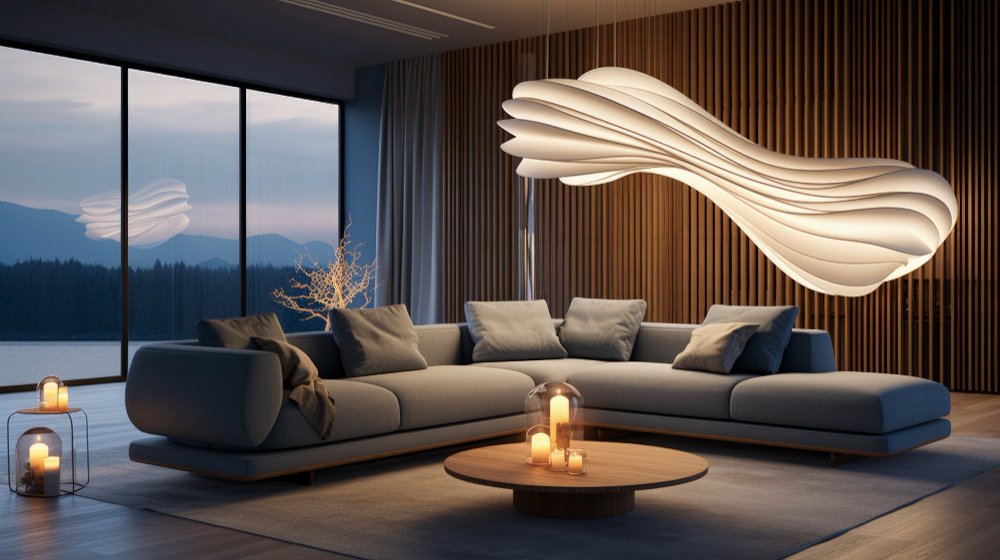
Lighting is so important, and it’s often underestimated. It’s not just about having a light bulb; it’s about creating ambiance and highlighting different areas of your home. You’ve got your main ceiling lights, task lighting for areas like your kitchen counter, and accent lighting to draw attention to art or architectural features. Fixtures themselves, like pendant lights or stylish lamps, also contribute to the overall aesthetic. When planning your budget, remember that good lighting can transform a space, making it feel more welcoming and sophisticated. You can find a range of options, from basic fittings to designer pieces, so it’s good to explore what fits your style and budget. For instance, exploring different ceiling types can also influence your lighting choices and overall cost.
Here’s a rough idea of how the budget might break down:
| Category | Typical Share of Interior Budget |
|---|---|
| Furniture & Decor | 25–35% |
| Modular Kitchen | 20–30% |
| Wardrobes & Storage | 15–25% |
| Lighting & Fixtures | 10–15% |
| Soft Furnishings | 10–15% |
Remember, these are just general guidelines. Your specific needs and preferences will shape the final allocation. It’s always a good idea to have a buffer for unexpected costs, as things can sometimes cost more than you initially anticipate.
When you’re looking at these components, it’s helpful to think about what’s most important to you. Is it a show-stopping kitchen, or is it comfortable living room furniture? Prioritizing helps make the spending decisions a bit easier.
Professional Interior Design Services in Sri Lanka

So, you’re thinking about getting a professional involved in your home or office makeover? That’s a smart move, especially if you want things done right and without too many headaches. In Sri Lanka, hiring interior designers can really make a difference, turning a plain space into something special. But what exactly goes into the cost of these services?
Interior Designer Fees and Consultation Costs
When you first talk to a designer, you’ll likely encounter consultation fees. These can be a flat rate for an initial meeting or charged by the hour. It’s where they get a feel for your project, your style, and your budget. After that, designers usually charge in a few different ways:
- Percentage of Project Cost: This is pretty common. The designer takes a cut, often around 10-20%, of the total amount spent on the project. This means they’re invested in keeping costs reasonable while still achieving a great result. For example, if your total project comes to LKR 5,000,000, their fee might be LKR 500,000 to LKR 1,000,000.
- Fixed Fee: You agree on a set price for the entire design service, from concept to completion. This gives you cost certainty upfront.
- Hourly Rate: Some designers charge by the hour, which can be good for smaller projects or specific tasks, but it can be harder to budget for.
It’s important to get a clear, written agreement outlining all fees and what services are included.
Choosing the Right Design Partner
Finding the right designer is like finding a good contractor – it takes a bit of research. You want someone who understands your vision and can translate it into reality. Look at their past projects, see if their style matches what you like, and most importantly, check their reputation. Do they communicate well? Are they organized? Do clients seem happy?
Here’s a quick checklist:
- Portfolio Review: Look at their previous work. Does it align with your aesthetic? Do they have experience with similar projects (residential, commercial, etc.)?
- Initial Consultation: Meet with a few designers. See who you connect with best and who seems to grasp your needs.
- References and Reviews: Ask for client references or look for online reviews to gauge their reliability and client satisfaction.
- Contract Clarity: Ensure their contract is detailed, covering scope of work, timelines, payment schedules, and revision policies.
Value Engineering for Cost Optimization
This is where a good designer really earns their keep. Value engineering isn’t about cutting corners; it’s about finding smart ways to achieve the desired outcome for less money. This could involve suggesting alternative materials that look similar but cost less, optimizing the layout to reduce construction complexity, or finding more efficient ways to source furniture and fixtures. A designer with experience in the Sri Lankan market, like those at Skydome Designs, can often tap into local networks for better pricing and quality.
Designers can also help prevent costly mistakes. A well-thought-out plan means fewer changes during construction, which almost always adds expense and delays. They help you avoid buying the wrong size furniture or choosing finishes that won’t hold up well in the local climate.
They might suggest phasing the project, using modular solutions, or finding local suppliers who offer great value. It’s all about making your budget work harder without sacrificing the look and feel you want.
Cost-Saving Strategies for Interior Design
So, you’ve got a budget for your interior design project in Sri Lanka, and you want to make sure every rupee counts. It’s totally doable! You don’t need to break the bank to get a stylish and functional space. It’s all about being smart with your choices and knowing where you can trim costs without sacrificing quality or aesthetics. Being strategic can significantly reduce your overall spending.
Prioritizing Essential Interior Elements
When you’re starting out, it’s easy to get carried away with all the bells and whistles. But really, what do you need right now? Think about the core functions of each room. For instance, a comfortable sofa and a functional dining table are probably higher on the list than a fancy accent chair or a complex lighting system. Focus on the items that will have the biggest impact on your daily life and the usability of your space. This means prioritizing things like:
- Kitchen and Wardrobes: These are often the most expensive parts of an interior project, but they’re also where you get the most bang for your buck in terms of functionality and storage. Getting these right from the start saves headaches later.
- Essential Furniture: Think beds, seating, and dining areas. These are non-negotiable for making a house a home.
- Basic Lighting and Fixtures: Ensure adequate lighting for daily tasks. You can always upgrade decorative fixtures later.
It’s easy to get caught up in trends or what looks good on social media. However, focusing on the practical needs of your household first will ensure your home is livable and comfortable. You can always add decorative touches and upgrade less critical items down the line when your budget allows.
Leveraging Sales and Local Sourcing
Don’t underestimate the power of timing and location when shopping for your home. Keep an eye out for major sales events, especially around holidays. Many furniture and decor stores in Sri Lanka offer significant discounts during these periods. Also, explore what your local area has to offer. Sometimes, you can find unique pieces or get custom work done at a much lower cost by working with local artisans and carpenters. This not only saves money but also supports local businesses and can give your home a more authentic feel. For example, local carpenters can often create custom furniture that fits your exact needs and budget, sometimes for less than mass-produced items.
Phased Installation and Modular Solutions
Who says everything has to be done at once? Breaking down your interior design project into phases can make it much more manageable financially. You might decide to tackle the kitchen and bathrooms first, then move on to living areas and bedrooms. This allows you to spread the cost over time. Modular solutions are also a great way to save money and time. Think modular kitchens and wardrobes. They are often more affordable than fully custom-built options, easier to install, and can be expanded or reconfigured later if needed. This approach offers flexibility and helps control spending without compromising on style or functionality.
Financing Your Interior Design Projects
So, you’ve got your dream home in Sri Lanka, and now it’s time to make it truly yours with some interior design magic. But let’s be real, turning a house into a home can add up. Don’t let the costs get you down; there are several ways to finance your interior design projects without breaking the bank.
Exploring Home Improvement Loans
Think of a home improvement loan as a dedicated fund for making your living space better. These loans are often secured against your property, which can mean lower interest rates compared to unsecured options. They typically come with longer repayment periods, making the monthly payments more manageable. Plus, in some cases, the interest paid on these loans might even be tax-deductible, which is a nice little bonus. It’s a solid choice if you’re planning a significant overhaul and want a structured way to pay it off over time.
Understanding Loan Against Property Options
If you already own your home outright or have a substantial amount of equity built up, a Loan Against Property (LAP) could be a smart move. You’re essentially borrowing money using your home as collateral. Because the loan is secured, the interest rates are usually quite competitive, often lower than personal loans. The repayment terms can be quite flexible too, with longer tenures available. This option is great for larger projects where you need a significant sum of money and want to take advantage of lower borrowing costs.
Credit Card and Personal Loan Considerations
For smaller interior updates or specific decor purchases, credit cards and personal loans can be quick solutions. Personal loans are generally unsecured, meaning you don’t need to put up any collateral. They’re often approved quickly, making them ideal for when you need funds fast. However, interest rates can be higher than secured loans, so it’s important to have a clear plan for repayment. Credit cards can be useful for smaller items, especially if you can pay off the balance quickly to avoid interest charges. Just be mindful of the high interest rates if you carry a balance for an extended period.
Here’s a quick look at how these financing options stack up:
| Financing Option | Typical Interest Rate | Loan Tenure | Collateral Required | Best For |
|---|---|---|---|---|
| Home Improvement Loan | Moderate | Long | Yes (Property) | Major renovations, full makeovers |
| Loan Against Property | Low | Long | Yes (Property Equity) | Large-scale projects, significant funds |
| Personal Loan | High | Short-Medium | No | Quick needs, smaller projects |
| Credit Card | Very High (if balance carried) | N/A | No | Small purchases, immediate needs |
When considering any loan, always read the fine print carefully. Understand all fees, charges, and repayment terms before committing. It’s better to be fully informed than surprised later.
Choosing the right financing method really depends on the scale of your interior design project and your current financial situation. Don’t be afraid to shop around and compare offers from different banks and financial institutions to find the best deal for your needs.
Specific Project Cost Considerations

Co-working Space Design Expenses in Colombo
Setting up a co-working space in a busy city like Colombo involves a unique set of costs. It’s not just about making it look good; it’s about functionality, flexibility, and creating an environment that supports productivity for diverse users. You’re looking at costs for things like modular furniture that can be reconfigured easily, robust IT infrastructure (think high-speed internet, ample power outlets), soundproofing for private calls, and communal areas that encourage networking. The initial investment can be significant, but a well-designed co-working space can attract and retain members, making it a worthwhile expense.
Here’s a rough breakdown of what you might expect:
- Space Planning & Layout: Designing efficient zones for individual work, collaborative areas, meeting rooms, and break-out spaces. This is often charged per square foot or as a fixed project fee.
- Furniture: Desks, ergonomic chairs, lounge seating, tables for common areas. Costs vary wildly based on durability and style.
- Technology Infrastructure: Network cabling, Wi-Fi access points, AV equipment for meeting rooms, secure access systems.
- Acoustics: Sound-absorbing panels, partitions, and flooring to manage noise levels.
- Lighting: Task lighting at workstations, ambient lighting in common areas, and accent lighting to create atmosphere.
- Finishes: Durable flooring, paint, wall coverings that can withstand high traffic.
Residential Interior Project Budgets
When it comes to your home, the budget can be as varied as the styles themselves. A simple refresh might just involve new paint and some decor, while a full renovation means dealing with structural changes, new kitchens, bathrooms, and all the fittings. It’s really about what you want to achieve and how much you’re willing to spend. For a typical Sri Lankan home, you might allocate funds for:
- Design Fees: If you hire a designer, this is usually a percentage of the total project cost or a fixed fee.
- Structural Changes: If you’re knocking down walls or adding extensions.
- Kitchen & Bathroom: These are often the most expensive rooms, involving custom cabinetry, countertops, fixtures, and tiling.
- Flooring: Tiles, timber, or other materials.
- Painting & Wall Finishes: Standard paint or more decorative options.
- Lighting & Electrical: Fixtures, wiring, and any upgrades needed.
- Furniture & Decor: Sofas, beds, tables, curtains, rugs, and decorative items.
It’s easy to get carried away with all the possibilities. A good approach is to list your absolute must-haves and then your nice-to-haves. This helps keep the budget focused on what truly matters for your comfort and lifestyle.
Appliance Installation and Utility Setup Costs
Don’t forget the practical side of things! Installing new appliances and setting up utilities can add up. This includes everything from getting your electricity and water connections sorted to the actual installation of things like air conditioners, water heaters, ovens, and washing machines. Sometimes, you might need to upgrade your home’s existing electrical wiring to handle new, high-power appliances, which is an added cost. Plumbers and electricians will charge for their time and the complexity of the job. It’s wise to get quotes for these services beforehand, especially if you’re doing a major overhaul.
Key considerations here include:
- Electrical Upgrades: Ensuring your home’s wiring can support new appliances.
- Plumbing Modifications: Rerouting pipes for new sinks, washing machines, or dishwashers.
- Appliance Specific Installation: Some appliances, like gas ovens or complex AC units, require specialized installers.
- Permits and Inspections: Depending on the work, you might need local permits, which come with fees.
- Disposal of Old Appliances: If you’re replacing old units, factor in any removal or disposal costs.
Wrapping It Up: Your Interior Design Budget in Sri Lanka
So, figuring out the cost of interior design in Sri Lanka really comes down to what you’re looking for. It’s not a one-size-fits-all situation. You’ve got everything from basic makeovers to full-blown, custom-designed spaces. Remember that the 10% rule is a good starting point, but don’t be afraid to adjust it based on your priorities, like maybe splurging a bit more on the kitchen or getting those perfect wardrobes. Getting quotes from a few different designers is always a smart move, and thinking about modular options can save you cash. Ultimately, a well-designed space is an investment, and with a bit of planning, you can create something amazing without breaking the bank.
Frequently Asked Questions
What’s a good rule of thumb for interior design costs in Sri Lanka?
A common guideline is to set aside about 10% of your home’s purchase price for interior design. This helps cover things like furniture, lights, and built-in cabinets. For fancier homes, you might need a bit more, maybe up to 15% or even 20%.
What are the main things that cost money in home interiors?
The biggest expenses usually go towards furniture and decor, which can take up a good chunk of the budget. Modular kitchens and custom wardrobes are also significant costs. Don’t forget lighting, fixtures, and soft furnishings like curtains and rugs.
How much do interior designers charge in Sri Lanka?
Designer fees can vary a lot. Some charge a percentage of the total project cost, often around 10-15%. Others might charge a flat fee based on the size of your home or the complexity of the design. It’s smart to get a few quotes.
Are there ways to save money on interior design?
Yes! You can save by focusing on the most important items first, like your kitchen and bedroom storage. Shopping during sales, buying locally made items, and considering modular furniture that can be added later can also help keep costs down.
Can I get a loan for my home interiors?
Absolutely. Many banks offer loans specifically for home improvements or renovations. You might also be able to get a top-up on your existing home loan or consider a personal loan, though interest rates can differ.
What are the biggest interior design costs for a co-working space in Colombo?
For co-working spaces, costs are influenced by the size and how unique the design is. High-quality materials, fancy tech features, and custom furniture add up. The location within Colombo and any major changes to the building’s structure also play a role.