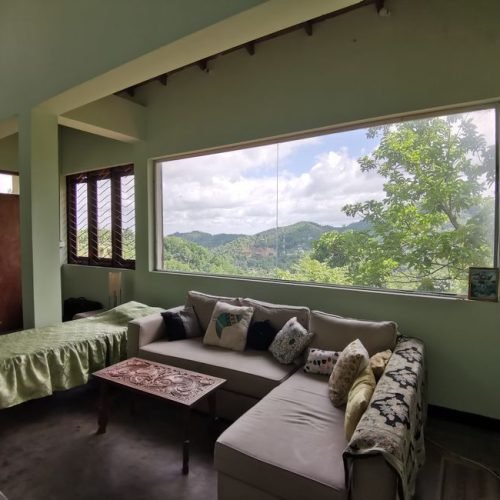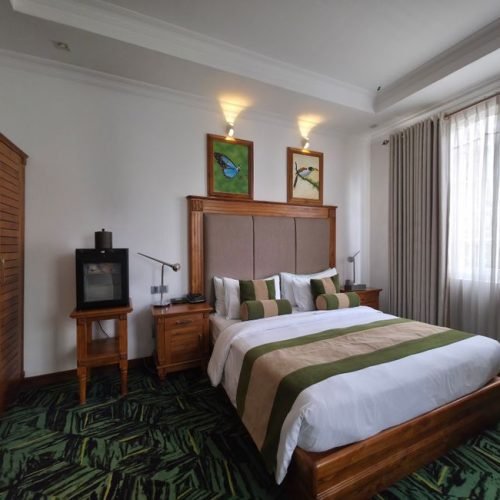
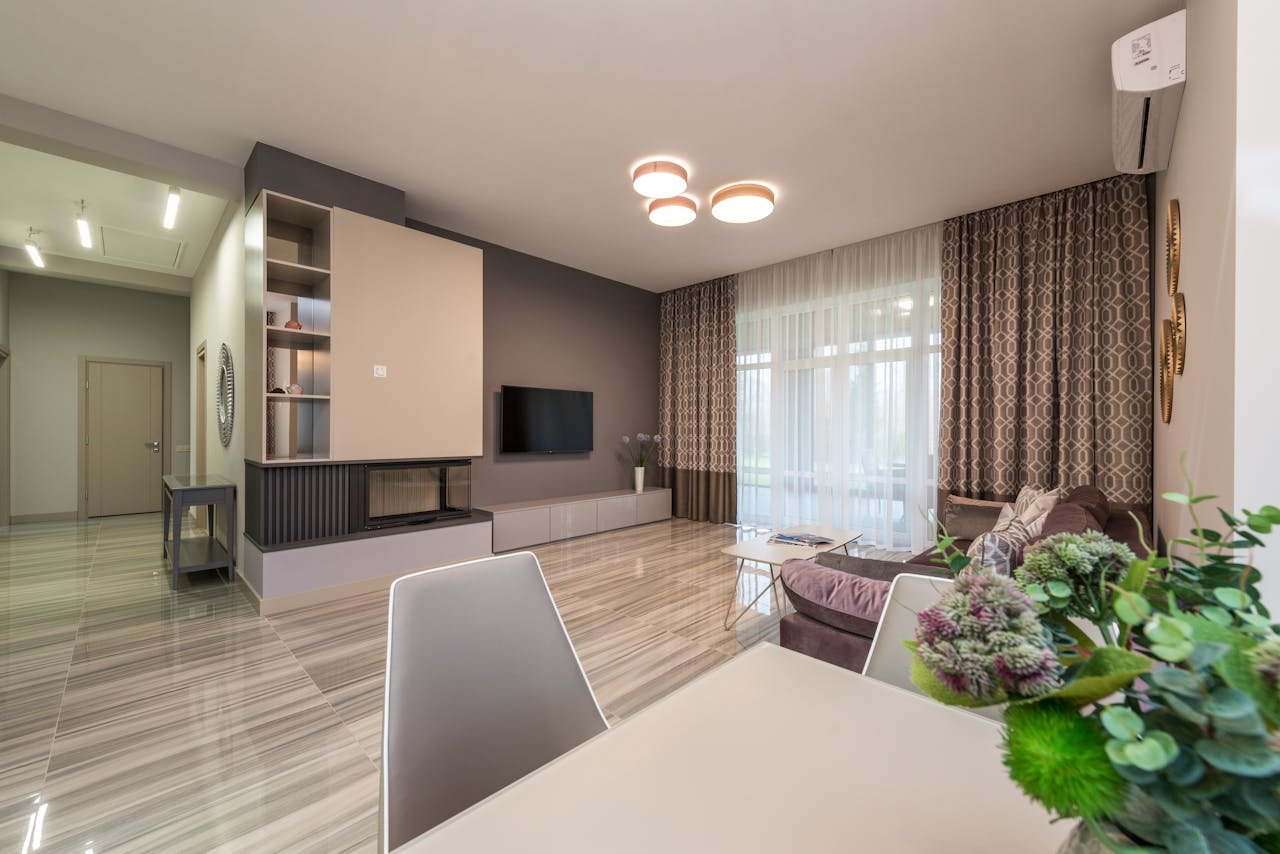
Most Sri Lankan homeowners know exactly what they want when they picture a renovated home. The kitchen that finally has enough counter space. The bedroom that feels like a retreat rather than a storeroom. The living room that guests walk into and immediately notice.
What most people don’t know is how to get from that picture in their head to a finished, liveable result without blowing the budget, falling out with their contractor, or living in a half-finished house for six months longer than planned.
A home renovation in Sri Lanka involves a specific sequence of decisions. Get the sequence right, and the project flows. Skip steps or change the order, and you will feel it in delays, in cost overruns, and in design choices you regret.
This guide walks you through every stage, in order.
Stage 1: Define What You Actually Need (Before You Look at Anything)
The single most common reason renovations go sideways is starting with solutions before understanding the problem. Homeowners see a kitchen they love on Instagram, decide they want that kitchen, and only then begin working out what that means for their actual space, their family’s cooking habits, and their budget.
Start instead with a simple honest audit of your home as it stands today.
Walk through each room and ask: what is this space failing to do? Not “what would I like it to look like” that comes later. Right now, just document the functional failures. The bedroom that has no natural cross-ventilation. The kitchen with insufficient storage that turns every cooking session into a rummage operation. The living room where the furniture arrangement forces everyone to stare at a wall.
Write these down. This list becomes the brief that drives every decision that follows, and it is the most valuable thing you can bring to your first meeting with an interior designer.
Stage 2: Set a Realistic Budget With a Contingency Built In
Once you know what needs to change, you can start thinking seriously about how much it will cost. A detailed cost breakdown and budget guidance for Sri Lankan homes is available in our post on how much interior design costs in Sri Lanka, so we won’t repeat those figures here.
What that guide doesn’t cover is the contingency rule — and it matters enormously in a renovation context.
Always hold back 15–20% of your total budget as an unallocated reserve. In Sri Lanka’s renovation market, surprises are not the exception; they are routine. A wall that conceals old plumbing that needs re-routing. Flooring that reveals a moisture problem once the old tiles come up. A supply chain delay that means your chosen cabinet hardware is unavailable and a substitute needs to be sourced.
None of these situations are catastrophic if you have money set aside. All of them become crises if every rupee is already committed.
Think of your contingency not as money you hope to save, but as money you fully expect to spend — and will be quietly delighted to keep if you don’t need it.
Stage 3: Decide What Scope You’re Taking On
Before approaching a design firm or a contractor, you need clarity on one fundamental question: are you doing a full renovation, a partial upgrade, or a cosmetic refresh?
These are genuinely different projects with different timelines, different professional requirements, and very different disruption levels for your household.
A full renovation involves structural or semi-structural changes — knocking out a wall to create an open-plan layout, re-routing plumbing, re-doing all the electrical points, replacing flooring throughout. This is a 3–6 month project that typically requires you to vacate the space.
A partial upgrade targets one or two rooms or systems. A new kitchen. A bathroom overhaul. A master bedroom with new wardrobes, flooring, and lighting. This is a 4–10 week project depending on scope, and with careful scheduling, many families can remain in the home while it proceeds.
A cosmetic refresh changes what you see without touching what’s behind the walls — new paint, reupholstered furniture, new curtains and lighting fixtures, a feature wall, rearranged layouts. This can often be completed in a weekend to two weeks and requires no contractors at all, only suppliers and your own time. Our guide to budget-friendly living room makeovers is a good starting point for this category.
Knowing which category you are in prevents you from engaging a full-service design-build firm for a project that doesn’t need one, and equally, prevents you from hiring a painter when what you actually need is a structural engineer.
Stage 4: Write Your Design Brief
A design brief is the document you hand to a designer, contractor, or design-build firm that tells them everything they need to know to quote and plan your project accurately. Most homeowners have never written one. Most homeowners also complain that their contractor “didn’t deliver what they asked for.” These two facts are related.
A good brief for a Sri Lankan home renovation doesn’t need to be long. It needs to be specific. Here is what to include:
1. Scope summary. Which rooms, which surfaces, which systems are in scope. Be explicit about what is not in scope too.
2. Functional requirements. From your Stage 1 audit — what must the space be able to do when finished that it cannot do now.
3. Style direction. Not necessarily a full mood board (your designer will help build that), but enough to orient them. “We want the kitchen to feel warm and practical, not showroom-sterile” is useful. “We don’t know yet” is also fine to say — but say it explicitly.
4. Non-negotiables. The things that are fixed constraints rather than preferences. “We cannot relocate the kitchen because of the plumbing stack.” “We need to keep costs under LKR 800,000 for this room.” “We cannot be out of the house for more than three weeks.”
5. Timeline expectations. When do you need the project completed? Is there a hard deadline (a family event, a lease ending, a child starting school)?
With this document in hand, a professional firm like Neskay can give you an accurate quote and a realistic timeline rather than a rough estimate that drifts significantly once work begins.
Stage 5: Choose the Right Type of Professional
Sri Lanka’s interior design and renovation market offers several different engagement models, and the right one depends on your project scope and your appetite to be involved in day-to-day decisions.
Design-only consultant. Produces drawings, material specifications, and a procurement list. You manage contractor relationships and site supervision yourself. Suitable for confident, experienced homeowners with a strong network of reliable trades.
Design-build firm. Handles design, procurement, and execution under one roof. One point of contact, one contract, one party accountable for the final result. Better suited to full renovations and anyone who cannot be on site daily to manage progress. This is the model Neskay operates — covering everything from custom carpentry and flooring to lighting and painting through a single project team.
Freelance contractor with designer input. A middle path where a contractor manages trades and a designer provides periodic consultancy. Can work well; can also lead to communication gaps between the two if not structured carefully.
What to ask any professional before engaging them:
- Can I see photographs of completed projects (not renders) in the same category as mine?
- How do you handle changes in scope once work has started?
- Who is my day-to-day contact during the project?
- How are material delays communicated and managed?
Stage 6: Lock the Design Before Work Starts
This is the stage that disciplined projects succeed at and rushed projects skip — and skipping it is expensive.
Before a single wall is broken, before any materials are ordered, the design should be finalised. This means floor plans, material specifications, colour selections, lighting positions, electrical point placements, and joinery drawings should all be approved in writing.
The reason is simple: changes made on paper cost nothing. Changes made on site cost time and money. Moving a power point that’s already been chased into a wall means cutting plaster, re-routing cable, and re-plastering. Moving it on a plan before work begins means updating a drawing.
This stage typically takes 2–4 weeks for a room and 4–8 weeks for a full home, depending on how quickly decisions are made. The clients who rush through it to “get the work started faster” almost always spend more overall, because they make decisions reactively on site rather than proactively on paper.
Stage 7: Manage the Site — Even If Someone Else Is Running It
Even with a design-build firm managing execution, the homeowner’s involvement during construction is not optional — it is essential.
You don’t need to be on site every day. But you should:
Visit at key milestones. First fix (before walls are closed up) is critical — this is when electrical and plumbing routing should be inspected, because once the walls close, access requires demolition. Also visit at joinery installation, tiling completion, and painting.
Communicate changes in writing. If you decide mid-project that you want a different tile or an additional power point, confirm this by message or email. Verbal instructions are forgotten or misremembered; written records protect everyone.
Understand the payment schedule. Reputable contractors and design-build firms in Sri Lanka typically structure payments in stages tied to project milestones — not a large upfront payment with the remainder on completion. If someone asks for more than 30–40% upfront before any work has begun, ask questions.
Don’t let perfect be the enemy of done. Renovations reach a point in every project — usually around 80% complete — where everything looks unfinished at once and the temptation is to panic. Tile grout hasn’t been cleaned. Skirting boards aren’t painted. Doors haven’t been rehung. This is normal. A good project manager will have a snagging list and will work through it methodically. Trust the process.
Stage 8: The Final Walkthrough and Snagging
Before you accept the project as complete and make your final payment, conduct a thorough final walkthrough. Bring your original brief, the approved drawings, and the material specifications. Check everything against them systematically.
Common snagging items on Sri Lankan renovation projects:
- Paint finish inconsistencies near edges, coving, and door frames
- Tile grouting that has dried uneven or with colour variation
- Cabinet doors that don’t align or close cleanly
- Electrical sockets that are not flush with the wall finish
- Lighting fixtures that flicker or have uneven output
- Silicone seals in wet areas that are incomplete or poorly applied
None of these are reasons to refuse payment or escalate. They are normal finishing items that should be on every contractor’s own list. A professional firm will complete them without argument. Document everything in writing and agree a timeline for completion before making the final payment.
A Note on Timing: Sri Lanka’s Renovation Calendar
One practical reality that almost no renovation guide for Sri Lanka addresses: the monsoon and the festive calendar both affect your project significantly.
The southwest monsoon (May–September) brings heavy rain that slows outdoor work, drying times, and material deliveries. The northeast monsoon (October–January) affects the north and east less so in Colombo, but can still disrupt supply chains. If your project involves significant outdoor work — exterior finishes, landscaping, external carpentry — factor this in.
Similarly, renovation work slows considerably around April (Sinhala and Tamil New Year), in the weeks around Vesak, and in the December–January period. Trades are harder to book, material suppliers close, and project momentum drops. If your deadline is March, start in September, not December.
The Short Version: Your Renovation Sequence
- Audit your home — document what’s failing, not what you want it to look like
- Set a budget with a 15–20% contingency built in before you speak to anyone
- Define your scope — full renovation, partial upgrade, or cosmetic refresh
- Write a simple design brief covering scope, function, style direction, constraints, and timeline
- Choose the right professional model for your project scale
- Lock the entire design on paper before any site work begins
- Stay involved at key milestones even with a full-service team managing execution
- Conduct a proper snagging walkthrough before final payment
- Plan your timeline around the monsoon and Sri Lankan festive calendar
A home renovation is one of the largest investments most Sri Lankan families will ever make in a space they live in every day. Done well, the results last decades. Done without a process, the results cost more than they should and deliver less than they promised.
If you’re ready to start your own project — residential, office, or commercial — Neskay offers a free initial consultation to help you understand the scope, timeline, and investment your specific space requires.