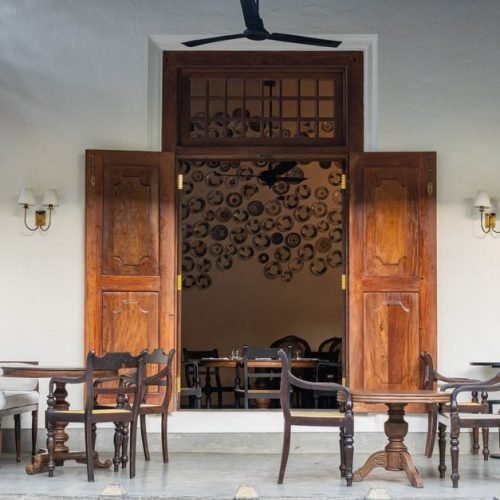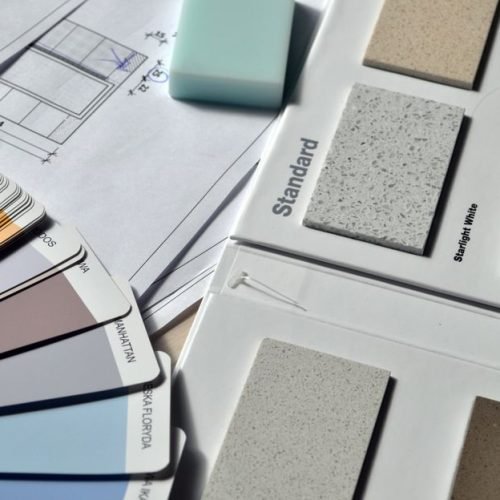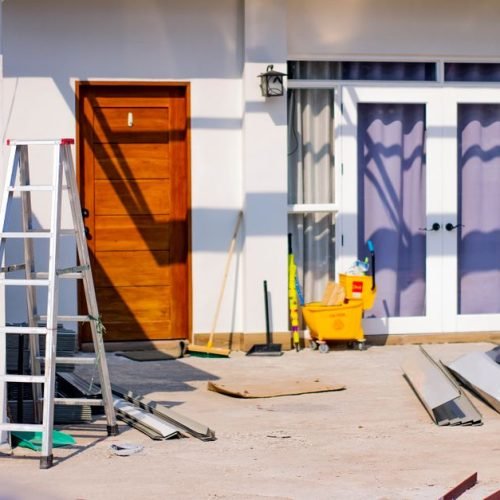

Colour schemes that work in Sri Lankan homes are not the same ones that work in a London flat or a Sydney apartment. The intensity of tropical daylight, the humidity that creeps into every surface, and the open-plan layouts common across Colombo, Kandy, and Galle all change how colour behaves on your walls. Get it right and a room sings. Get it wrong and you’re repainting in six months.
Why Colour Choice Is Different in Sri Lankan Homes
The single biggest factor is light. Sri Lanka sits close to the equator, which means sunlight is harsh, direct, and present for most of the day. Colours that look soft and muted on a European paint swatch often appear bleached or blown out under this kind of brightness. A pale sage green that looks earthy and calm in a showroom in Colombo 3 can look almost white on a north-facing wall by noon.
Humidity matters too. Paints with poor moisture resistance bubble and peel within a year, especially in coastal areas and older cement-plastered walls that haven’t been sealed properly. This limits your finish choices and affects how pigments hold over time. Dark colours on exterior-facing interior walls are particularly vulnerable.
Then there’s the architecture. Many Sri Lankan homes feature high ceilings, terrazzo or granite floors, and limited artificial lighting supplemented by large jalousie windows. That combination means colours shift dramatically between bright afternoon light and the warm, yellowish glow of LED or fluorescent evening lighting. A colour that reads as calm grey in the afternoon can turn distinctly purple or lavender at night. Understanding this shift is fundamental to good colour decisions here. For a deeper grounding in how these elements interact interior design principles tailored to Sri Lanka covers the broader picture well.
The Best Neutral Base Palettes for Sri Lankan Interiors
Neutrals are your safest starting point, but “neutral” in a Sri Lankan context means something warmer and more grounded than the cool greys dominating Western interiors. Cool grey tones often look cold and institutional under tropical light, particularly in rooms with terrazzo or polished cement floors.
Instead, lean toward warm whites and greige tones. Dulux’s Natural Hessian and Antique White USA both perform well on local walls, holding their warmth without going yellow in harsh midday light. Causeway Paints, widely available at hardware stores across the island, offers a comparable range called Ivory Cream that works well as a base for living areas and corridors.
The key with neutrals here is to go slightly warmer than you think you need. The brightness will push the colour toward the cool end anyway, so a warm beige on the swatch often reads as a perfect, balanced neutral on the wall.
Cool Tones That Beat the Heat: Blues, Greens, and Soft Whites
There’s a practical reason traditional Sri Lankan architecture used cool blues, deep teals, and lime-washed whites so extensively. They genuinely make a room feel cooler, both visually and psychologically.
Soft aquas and muted teals work particularly well in living rooms and bedrooms that catch the afternoon sun. Dulux’s Mineral Blue and Soft Jade are worth testing. For a more local feel, a faded duck-egg blue paired with bare cement render or lime-plastered walls references Sri Lanka’s colonial-era bungalow aesthetic without feeling like pastiche.
Pure white is tempting, but use it carefully. Brilliant whites often look harsh and clinical in rooms with a lot of direct sunlight. An off-white with a slight blue or green undertone, such as Dulux White on White or Causeway’s Pearl Whitegives you the freshness without the glare.
These cool colour schemes that work in Sri Lankan homes pair especially well with natural cane furniture, cotton textiles, and the kind of light timber you find in furniture from Maharagama or Pettah markets.
Warm and Earthy Tones: When to Use Terracotta, Ochre, and Clay
Earthy tones are having a well-deserved moment, and they’re particularly at home in Sri Lanka. Terracotta, ochre, and clay shades echo the island’s landscape, its red laterite soil, its handmade roof tiles, its clay pots. Used well, they feel grounded and distinctly local rather than trend-chasing.
The risk is heat. A deep terracotta on four walls of a small, west-facing bedroom in Nugegoda will feel oppressive by 3pm. Reserve these tones for feature walls, shaded rooms, or spaces with good cross-ventilation. A single terracotta wall in a dining area, anchored by pale flooring and white trim, creates real warmth without overwhelming the space.
Dulux’s Adobe Clay and Warm Terracotta are both workable choices. Pair them with Rocell tile finishes in light stone or sand tones for a cohesive floor-to-wall relationship that feels intentional rather than accidental.
Bold Accent Colours That Work With Tropical Brightness
Tropical brightness is your friend here, not your enemy. Deep jewel tones, including indigo, burnt sienna, forest green, and even dark mustard, can absorb some of that intense light and create drama without feeling oppressive, especially in well-ventilated rooms with white or cream surrounding walls.
Bold colour schemes that work in Sri Lankan homes tend to follow a simple rule: one strong accent wall, everything else calm. A deep bottle green on the wall behind a sofa, with light granite flooring and natural rattan, creates a look that feels lush and intentional. Keep joinery and trim in white or a warm cream to let the bold colour breathe.
If you’re uncertain about going bold, a professional design consultation can make the difference between a colour that transforms your space and one you regret within weeks.
Room-by-Room Colour Guide
Living Room
Warm whites, soft greiges, or a single cool accent wall. Living rooms in Sri Lanka often double as entertaining spaces and need to look good in both afternoon light and evening gatherings. Avoid deep colours on all four walls.
Bedroom
Soft greens, muted blues, and warm whites promote rest and counter the heat. Avoid overly bright yellows or oranges, which can feel energising rather than calming. For more specific ideas bedroom interior design trends in Sri Lanka offers current, locally grounded inspiration.
Kitchen
Kitchens generate heat and grease, so easy-to-clean semi-gloss or gloss finishes in pale neutrals work best. Soft sage, warm white, or light grey keep the space fresh. Check out kitchen colour and design inspiration in Colombo for palette ideas that suit local kitchen layouts and tile choices.
Bathroom
Pale aquas, soft whites, and light stone tones reflect light and resist the visual heaviness that dark colours can create in small, enclosed wet rooms. Pair with Rocell’s white or light grey wall tiles for a clean, timeless finish.
Pairing Colours With Local Materials
Sri Lankan homes are full of beautiful materials that your colour palette needs to work with, not against. Black galaxy or Kashmir white granite floors are among the most common, and both respond well to warm neutrals and earthy tones. Cool grey walls can clash badly with the warm undertones in Kashmir white granite.
Cement screed floors, popular in contemporary Colombo apartments, are naturally cool and grey, making them perfect partners for both warm earthy tones and cool blues. The contrast reads as deliberately modern. Exposed red brick, common in Kandy-area homes, pairs naturally with terracotta, ochre, and forest green.
Natural timber, whether jackwood furniture or rubber wood cabinetry, has golden-brown undertones that love warm whites, greens, and earthy palettes. If you’re planning a home renovation in Sri Lankamapping your material palette before finalising wall colours will save you significant rework cost later.
Common Colour Mistakes Sri Lankan Homeowners Make
- Choosing colours solely from a swatch card indoors. Swatch cards under shop lighting bear little resemblance to how a colour reads on a large wall in tropical daylight.
- Using cool grey throughout. It looks stunning in a Scandinavian home. On Sri Lankan walls with warm flooring and timber furniture, it often reads as cold and uninviting.
- Ignoring the ceiling. White ceilings reflect harsh overhead light downward. A very pale warm tone on the ceiling softens the whole room.
- Matching wall colour too closely to tile. Rocell’s tile ranges are beautiful, but picking a wall colour that’s almost identical to your tile creates a flat, washed-out effect. Contrast adds life.
- Painting directly over damp or unsealed walls. No premium paint will hold on a wall that hasn’t been primed and sealed against moisture. This is the most expensive mistake of all.
How to Test Colours Before Committing
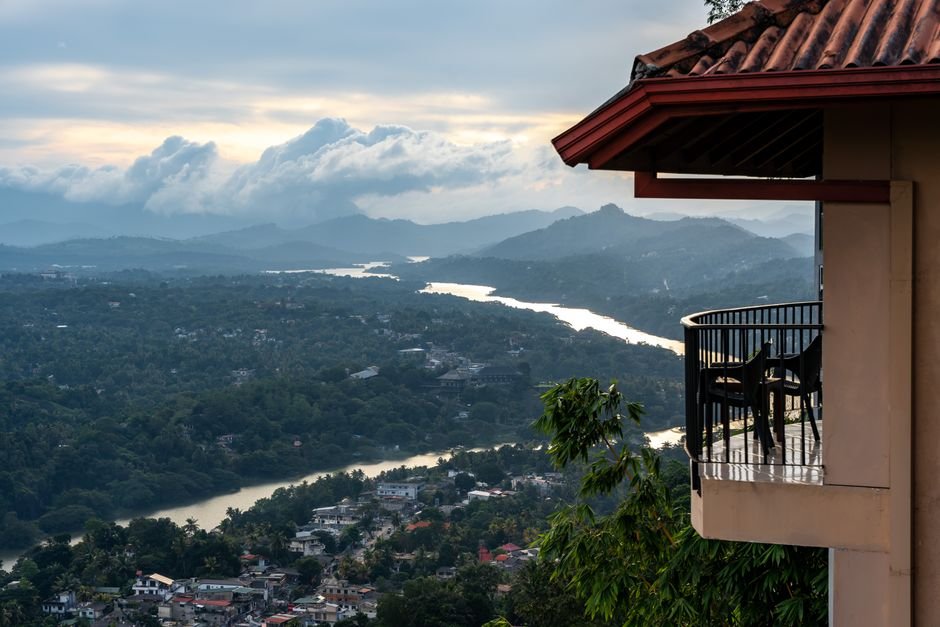
The only reliable method is to paint a large test patch, at least 50cm by 50cm, directly on the actual wall, and observe it at three different times: midmorning, mid-afternoon, and evening under artificial light. A sample that small might still surprise you, but it’s far better than guessing from a swatch.
Dulux and Causeway both offer tester pot sizes that are affordable enough to try two or three options side by side. Paint the patches on different walls in the same room, because the orientation of the wall dramatically changes how the colour reads.
Colour schemes that work in Sri Lankan homes are ones tested in Sri Lankan light, on Sri Lankan walls, not ones chosen from a website. If you’re working with an interior designer, ask them to bring test pots to your home rather than making final decisions in a studio or showroom. That single step regularly prevents expensive repaints.
FAQ
What colours make a small Sri Lankan room look bigger and cooler?
Pale off-whites with cool undertones, soft aquas, and light sage greens make small rooms feel larger and more airy. Keep the ceiling the same colour or slightly lighter than the walls to raise the perceived height. Avoid strong contrasts between walls and trim, as they visually chop up the space.
Which paint brands are best for humid Sri Lankan conditions?
Dulux Weathershield and Dulux Wash and Wear perform consistently well in humid conditions. Causeway Paints is a strong local alternative with good coverage and moisture resistance for mid-range budgets. Always use an alkali-resistant primer on new cement plaster before applying any topcoat, regardless of brand.
How do I choose a colour that looks good in both bright daylight and artificial evening light?
Test your shortlisted colours at both times of day using large painted patches on the actual wall. Avoid colours with strong violet or pink undertones, as these shift dramatically under yellow LED or fluorescent light. Warm whites, soft greens, and greige tones tend to remain stable across both lighting conditions.
Are dark feature walls a good idea in Sri Lankan homes?
Yes, but selectively. A dark feature wall works well in a room with white or very pale surrounding walls, good ventilation, and natural light entering from multiple sides. Deep greens, navy, and charcoal can look striking. Avoid dark feature walls in small, enclosed rooms or spaces with only one small window, as the effect becomes oppressive rather than dramatic.
What colours pair best with common Sri Lankan flooring like granite or cement screed?
Kashmir white granite pairs best with warm neutrals, greige, and earthy tones. Black galaxy granite works well with cool whites, soft blues, and bold jewel tones. Cement screed is highly versatile and suits both warm earthy palettes and cool contemporary tones. The key in each case is to create contrast rather than trying to match the floor exactly.