This wall paint types and finishes guide Sri Lanka gives you straight answers: which paint works where, what it costs at a Colombo hardware store right now, and why the choice matters far more here than in cooler, drier climates. Sri Lanka’s combination of high humidity, monsoon rain, and intense afternoon heat makes paint selection a genuinely technical decision, not just an aesthetic one.
Why Paint Choice Matters More in Sri Lanka’s Climate
Relative humidity in much of Sri Lanka sits between 70% and 90% for months at a time. That’s the kind of environment that turns the wrong paint into a peeling, bubbling, mould-streaked wall within two rainy seasons. Colombo, Kandy, and coastal towns like Galle and Negombo are particularly unforgiving.
Beyond humidity, UV intensity here is high year-round. Exterior walls in Sri Lanka can fade, chalk, or crack far faster than the same paint would in a temperate climate. Any wall paint types and finishes guide written for a UK or Australian audience will not account for these realities. Local conditions demand local answers.
Main Wall Paint Types Available in Sri Lanka
Understanding the five main paint types will save you money and a lot of headaches on site.
- Emulsion paint: Water-based, fast-drying, and low-odour. The most commonly used interior paint in Sri Lankan homes. Good-quality emulsion resists mild humidity well, though it needs a quality primer on bare plaster first.
- Enamel paint: Oil or alkyd-based, hard, and washable. Traditionally used on wood, metal, and high-traffic surfaces. Slower to dry and stronger smelling, but very durable. Brilliant white enamel on window frames and doors is still common across Sri Lanka.
- Texture paint: A thick, paste-like paint that creates a 3D surface effect. Used decoratively on feature walls and exterior facades. Hides minor surface imperfections well, which makes it popular in older homes with rough plastering.
- Weathershield or weather-resistant paint: Specifically engineered for exterior walls. Formulated to resist UV degradation, monsoon rain, and algae growth. This is not optional on exposed exterior walls in Sri Lanka; it is the baseline.
- Primer: Applied before the topcoat, not a finish paint itself, but critical. A good alkali-resistant primer seals new cement plaster, prevents efflorescence (salt-bloom staining), and massively improves topcoat adhesion. Never skip the primer on fresh plaster.
For more ideas on keeping renovation costs sensible, the budget-friendly interior design tips for Sri Lankan homes guide is worth reading alongside this one.
Understanding Paint Finishes: Matte, Eggshell, Satin, Semi-Gloss, and Gloss Explained
A paint’s “finish” refers to its sheen level once dry. This affects both the look and the practicality of the surface, significantly so in a humid climate.
- Matte (flat): No sheen. Hides surface imperfections beautifully. Not very washable, and can absorb moisture more readily. Best for low-traffic, dry areas like bedrooms or formal living rooms with good ventilation.
- Eggshell: Very slight sheen, like the surface of an egg. More washable than matte and slightly more moisture-resistant. A good mid-point for living areas in Sri Lankan homes.
- Satin: Soft, smooth sheen. Noticeably more washable and moisture-resistant than eggshell. Excellent for bedrooms, children’s rooms, and anywhere that needs occasional wiping down.
- Semi-gloss: Clearly shiny. Very washable and moisture-resistant. Standard choice for kitchens, bathrooms, and interior woodwork.
- Gloss: High shine, hard surface. Maximum durability and moisture resistance. Used on doors, window frames, railings, and trim. Highlights every surface imperfection, so the wall prep must be flawless before application.
Room-by-Room Guide: Which Paint Type and Finish to Use Where
This is where the wall paint types and finishes guide Sri Lanka gets practical. Different rooms have very different demands.
Living Room and Dining Area
Eggshell or satin emulsion works well here. You want some washability for splashes and dust, but the lower sheen keeps the space looking relaxed. Stick to a quality primer coat first, especially on any cement-plastered walls less than six months old.
Bedrooms
Matte or eggshell emulsion suits most Sri Lankan bedrooms well. Traffic is low, and matte finish creates a calm, restful atmosphere. Check out the latest bedroom interior design trends in Sri Lanka if you are planning a full room overhaul alongside the repaint.
Kitchens and Bathrooms
Semi-gloss or gloss enamel on walls and ceilings. These are your wettest, steamiest rooms, and anything less shiny will absorb moisture and develop mould patches quickly. Ventilation still matters regardless of the paint you choose.
Pro Tip: In poorly ventilated bathrooms, add an anti-fungal additive to your paint mix before application. Nippon Paint and Asian Paints both sell compatible additives locally. It costs around LKR 300 to 500 extra per batch and is genuinely worth it.
Children’s Rooms
Satin finish emulsion, washable and tough enough for crayon and handprint wipedowns. Choose a low-VOC (low chemical emission) formula where possible for better indoor air quality.
Exterior Walls
Weathershield or exterior-grade emulsion only. Full stop. Apply over a weatherproof exterior primer for maximum adhesion through the monsoon cycle.
Exterior vs Interior Paints: Key Differences for Sri Lankan Conditions
Interior and exterior paints are not interchangeable, and this matters acutely here. Exterior paint contains UV stabilisers, fungicides, and flexible binders that allow the paint film to expand and contract with daily temperature swings. Interior paint has none of these. Using interior emulsion on an exterior wall in Sri Lanka will result in peeling within a single monsoon season.
The reverse also applies. Exterior paint used indoors will off-gas stronger solvents and additives in an enclosed space, which is unpleasant and potentially harmful. Use each product where it was designed to go.
Popular Paint Brands in Sri Lanka: What’s on the Shelf and What It Costs
These four brands dominate Sri Lankan hardware stores and paint shops, each with real strengths.
- Nippon Paint: Very widely available, strong weathershield and anti-fungal ranges. Interior emulsion from around LKR 2,800 to 4,500 per litre. Exterior weathershield from around LKR 3,500 to 5,500 per litre.
- Dulux (ICI / AkzoNobel): Premium positioning, excellent colour consistency across batches, and strong humidity-resistance in the Weathershield range. Interior emulsion LKR 3,200 to 5,000 per litre. Exterior from LKR 4,000 to 6,200 per litre.
- Asian Paints: Competitive mid-range pricing, strong distribution across the island including smaller towns. Emulsion from around LKR 2,500 to 4,000 per litre. Good texture paint range.
- Rocell: Better known for tiles and sanitaryware in Sri Lanka, but their paint range has grown. Worth checking for texture finishes and specialist products in their showrooms.
Budget tip: a 4-litre can typically covers around 40 to 50 square metres with one coat on a smooth, primed wall. Always buy a little more than you calculate you need. Batch colour consistency is not guaranteed if you return for a top-up later.
If you are working through a full renovation budget, the guide on how to prioritise renovation spending in Sri Lanka will help you allocate paint costs within the bigger picture.
How to Calculate How Much Paint You Need
Measure the total wall area to be painted in square metres (height x width of each wall, minus doors and windows). A standard litre of quality emulsion covers roughly 10 to 12 square metres per coat on a smooth primed surface.
New plastered walls are more porous and will absorb more on the first coat. Budget for a primer coat plus two topcoats on any freshly plastered surface. For a 3m x 4m bedroom with 2.8m ceiling height, that works out to roughly 30 to 35 square metres of wall area, meaning around 9 to 12 litres of emulsion across two coats plus primer.
Pro Tip: Always buy your primer and topcoat from the same brand where possible. Compatibility between layers affects adhesion, and mixing brands can sometimes cause adhesion failure, particularly in high-humidity rooms.
Common Mistakes Sri Lankan Homeowners Make When Choosing Paint
- Painting over damp walls without treating the moisture source first. The paint will always lose that battle.
- Skipping the alkali-resistant primer on new plaster and wondering why the topcoat looks patchy and starts flaking within months.
- Using interior emulsion on exterior walls to save money. It costs more in the long run.
- Choosing matte finish for bathrooms or kitchens because it looks softer. Matte in a wet room will grow mould fast.
- Buying cheap no-brand paint to cut costs on a full repaint. The coverage is usually poor, meaning more coats and no actual saving.
Choosing sustainable, lower-VOC paints is also worth considering; the article on eco-conscious and sustainable interior choices in Sri Lanka covers this in more depth.
Tips for Getting the Best Finish in High-Humidity Areas
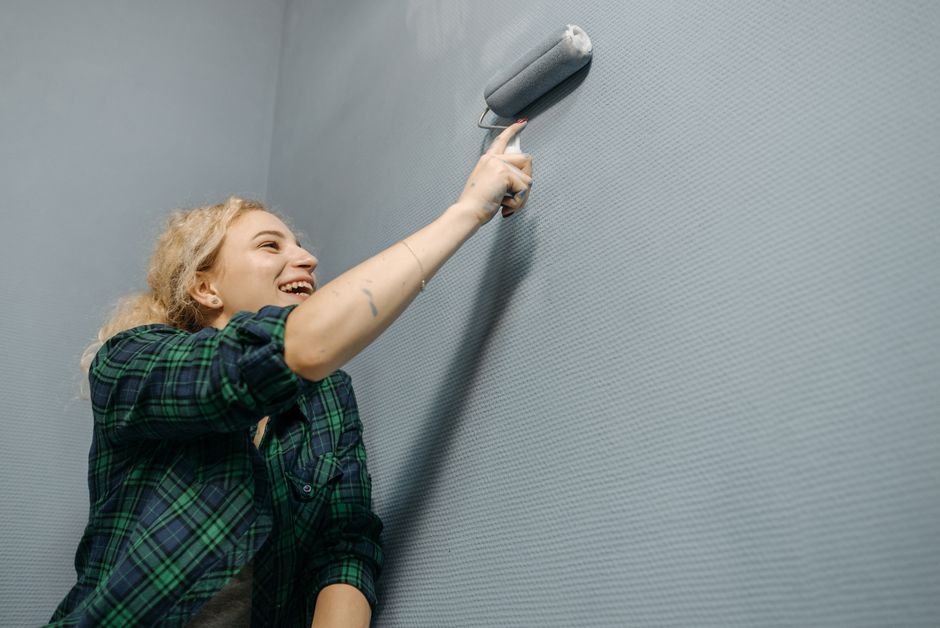
Humidity is your biggest enemy during and after application. Here is what actually works in Sri Lanka:
- Paint during morning hours, ideally before 10am, when relative humidity is lower and temperatures have not peaked yet.
- Avoid painting immediately after rain. Allow at least 24 hours for wall surfaces to dry after heavy rain before applying any coat.
- Ensure wall moisture content is below 12% before painting. A cheap moisture meter from any hardware store on Dam Street, Colombo will tell you this in seconds.
- Use an anti-mould primer in bathrooms, kitchens, and any north-facing walls that receive minimal direct sunlight.
- Ensure adequate airflow while painting and for 24 to 48 hours after. Open windows and run fans. Do not seal a freshly painted room.
Pro Tip: If you are dealing with recurring mould or damp patches, treat the wall with a diluted bleach solution (1 part bleach, 4 parts water), allow to dry fully, then apply a specialist anti-mould sealer before any primer or paint. This step is non-negotiable in Sri Lankan coastal homes.
This wall paint types and finishes guide Sri Lanka is designed to remove the guesswork. Armed with the right finish for the right room, a quality primer, and a reputable local brand, your paint job should last five to eight years even through multiple monsoon seasons.
FAQ
Which paint finish is best for Sri Lankan bathrooms and kitchens where humidity is high?
Semi-gloss or gloss finish is the right choice for these rooms. Both finishes resist moisture, are easy to wipe clean, and are far less likely to develop mould than matte or eggshell surfaces in steam-heavy environments.
What is the price difference between matte and gloss paint in Sri Lanka?
The finish itself rarely changes the price significantly within the same product range. Expect to pay roughly the same per litre for matte versus gloss from brands like Nippon or Asian Paints. The price difference is far more about brand tier and whether the paint has added anti-fungal or weathershield properties.
Can I use interior emulsion paint on exterior walls in Sri Lanka?
No. Interior emulsion lacks the UV stabilisers, flexible binders, and fungicides that exterior paints contain. On Sri Lankan exterior walls, it will fade, peel, and chalk within one or two monsoon seasons. Always use an exterior-grade or weathershield paint outside.
How many coats of paint are needed for new plastered walls in Sri Lanka?
New cement-plastered walls are highly porous and alkaline. Apply one coat of alkali-resistant primer first, allow it to cure fully (usually 24 hours), then apply two coats of your chosen emulsion. Three coats in total is the minimum for a durable, even result on fresh plaster.
Which local paint brand offers the best value for money in Sri Lanka?
Asian Paints consistently offers strong coverage and durability at a mid-range price point, making it a practical value choice. Nippon Paint is a close second with wider availability nationwide. Dulux commands a premium but delivers superior colour consistency and batch-to-batch reliability, which matters for larger projects where you may need multiple cans.