Thinking about giving your home a fresh, eco-friendly makeover in Sri Lanka? Sustainable interior design is more than just a buzzword these days—it’s becoming the way forward for people who care about the planet and want their homes to reflect that. In 2025, there are so many new ideas and practical ways to make your space greener, from picking the right materials to using smart tech and even bringing a bit of nature indoors. Whether you live in a city apartment or a house surrounded by greenery, there’s something for everyone who wants to live more consciously without giving up comfort or style.
Key Takeaways
- Choose local and natural materials like bamboo and reclaimed wood to reduce your environmental impact.
- Use energy-saving solutions, such as LED lighting and smart home devices, to lower electricity bills and waste.
- Bring nature inside with plants, natural textures, and views of green spaces to boost well-being.
- Save water by installing low-flow fixtures, recycling greywater, and collecting rainwater for gardens.
- Mix traditional Sri Lankan crafts with modern minimalism to create spaces that are both practical and personal.
Eco-Friendly Materials and Resourceful Choices for Sustainable Interior Design Sri Lanka
Finding ways to make interiors more sustainable isn’t just about trends—it’s about making smarter choices for the long haul. In Sri Lanka, local materials are stepping up, and they’re doing more than just looking good. Here’s a breakdown of key material choices and why they matter in 2025.
Bamboo, Reclaimed Wood, and Locally Sourced Timber
Bamboo, with its quick growth and renewable nature, is all over Sri Lankan design right now. You’ll see it in floor tiles, room dividers, and even as a base for furniture. Reclaimed wood is another favorite. It cuts down the need for fresh lumber, adds a bit of history to the space, and each piece looks unique. Locally sourced timber reduces transport emissions and backs homegrown industries. Here’s a quick comparison:
| Material | Sustainability | Common Uses |
|---|---|---|
| Bamboo | Excellent | Flooring, furniture |
| Reclaimed Wood | Very Good | Shelving, decor |
| Local Timber | Good | Beams, cabinetry, doors |
Natural Fibers and Organic Upholstery
Switching out synthetic fabrics for natural ones is catching on fast. Think of sofas upholstered in jute, blinds made from woven coconut husk, or cotton slipcovers. These not only breathe better in humid climates but also avoid the chemicals found in synthetic blends. Some solid options:
- Jute or banana fiber for rugs
- Upcycled cotton for curtains and throw pillows
- Linen or hemp covers for cushions
One added perk—not dealing with itchy plastic threads here. The seats just feel better.
Low-VOC Paints and Sustainable Finishes
Indoor air quality matters as much as outdoor air. Low-VOC (volatile organic compound) paints help keep toxins out of the air, which makes for healthier homes. Natural lime washes and clay-based paints are starting to show up on accent walls, providing rustic charm without harsh chemicals. Sustainable finishes extend to:
- Plant-based oils for wood protection
- Recycled glass tiles for backsplashes
- Water-based sealants for stone
Choosing better materials for your home isn’t about making sacrifices—it’s about smarter design. When the little details add up, you feel the difference every day.
So, whether you’re planning a full renovation or just swapping your cushions, picking eco-friendly materials is a real step towards a healthier, resource-wise home.
Energy Efficiency and Smart Technologies for Eco-Conscious Interiors
Designing interiors that use less energy doesn’t have to be complicated. In Sri Lankan homes, adopting smart technologies and focusing on energy efficiency can mean a lower power bill and a lighter impact on the planet. Bringing these ideas together is how modern interior design combines comfort and sustainability. Let’s get into some specific strategies that work well for eco-conscious interiors in 2025.
Harnessing Natural Light and Ventilation
Sri Lanka’s sunlight is a gift if you use it right. Instead of relying on lights all day, consider:
- Big windows or skylights for daylight.
- Cross-ventilation so breezes do the work instead of air conditioners.
- Light-colored interiors that reflect more sun, keeping spaces brighter.
| Method | Energy Savings | Comfort Impact |
|---|---|---|
| Large windows & skylights | Up to 20% | Increased daylight |
| Cross-ventilation approaches | 10-25% | Better air movement |
| Reflective paints & surfaces | 5-10% | Cooler indoor temps |
In my own living room, swapping heavy curtains for sheer ones made a huge difference—cooler air and brighter afternoons, no tech required.
Adopting Energy-Saving Appliances and LED Systems
Not all appliances are created equal. Going for energy-saving options isn’t just eco-friendly—it actually makes life easier:
- Switch to LED bulbs—use about 75% less energy.
- Choose refrigerators and air conditioners with good Energy Star ratings.
- Use induction cooktops for efficiency and cooler kitchens.
Here’s a quick comparison:
| Appliance Type | Standard Energy Use | Green Alternative | Energy Saved |
|---|---|---|---|
| Light Bulb | 60W (incandescent) | 9W (LED) | ~85% |
| AC (Old) | 1700W | 1200W (inverter) | ~30% |
| Refrigerator | 1kWh/day | 0.7kWh/day | ~30% |
If you’re struggling to pick, prioritize the appliances used most—fridge, lighting, and fan. Every bit adds up.
Integrating Smart Home Solutions for Reduced Consumption
Smart tech can seem fancy, but it’s actually pretty practical now. Popular choices for Sri Lankan homes include:
- Automated lights with motion sensors
- Programmable thermostats for AC units
- App-controlled plugs and switches
You simply set schedules or use sensor triggers—lights go off when rooms aren’t in use, and ACs run only when needed. According to theoretical concepts of smart design, these strategies make it easy to keep energy waste low, without needing to think about it much day-to-day.
- Here are three reasons homeowners love smart energy tech:
- It cuts down monthly bills — savings you see right away.
- Less manual work — the system does the routine stuff.
- You get real-time data, so it’s simple to spot the power-hungry habits.
Pairing smart controls with efficient appliances and sensible design takes the stress out of going green at home.
Biophilic Design: Embracing Nature Indoors in Sri Lankan Homes
Biophilic design is an idea that’s really catching on in Sri Lanka these days, especially with folks looking for greener, calmer living spaces. It’s less about bringing in a few random potted plants, and more about rethinking entire interiors so nature feels like a part of daily life. Connecting our indoor environments with nature does more than improve mood—it actually changes how we experience home. Here’s how Sri Lankan homes are moving forward with this philosophy:
Indoor Plants and Vertical Gardens
Bringing greenery inside isn’t just pretty; it’s also practical with Sri Lanka’s warm climate. Homes now feature:
- Large leafy plants in living areas for shade and fresh air.
- Vertical gardens on balconies or walls to save space and boost air quality.
- Edible herbs growing in kitchen windows for a small, daily connection with nature.
If you’re an apartment dweller, vertical gardens are a game-changer—suddenly, even a tight balcony becomes a mini-jungle.
When your living room doubles as a tiny oasis, you catch yourself taking deeper breaths and just slowing down, even on the busiest days.
Natural Stone and Organic Textures
There’s also a push for organic textures inside Sri Lankan homes. That means:
- Floors and walls finished with local granite, marble, or polished terracotta.
- Table tops or shelves cut from unpolished stone, letting the natural flaws show.
- Woven grass mats, rattan baskets, and jute rugs for tactile warmth.
Sourcing these materials locally not only supports the community, but it keeps homes cool and dry during the steamy monsoon months.
Designing for Views and Green Spaces
Why just look at four walls when you could have a lush view? Builders and renovators are now thinking about:
- Placing windows to frame garden vistas, or open up to distant palm clusters.
- Adding internal courtyards or glass doors that slide open to patios.
- Designing layouts that steer the eye and breeze toward green zones—so the whole house feels tied to the outside world, not cut off from it.
| Biophilic Strategy | Common Feature | Impact |
|---|---|---|
| Indoor Plants | Large pots, vertical gardens | Cleaner air, relaxed mood |
| Organic Materials | Stone floors, woven textiles | Cooler interiors, cozy feel |
| Designed Views | Garden-facing windows, patios | More sunlight, less stress |
You don’t need to overhaul everything at once. Sometimes swapping curtains for woven blinds, or putting that one leafy monstera next to a big window, gets you moving in the right direction—but don’t be surprised if you get hooked and want to do more. Sri Lankan homes can be more than just places to crash—they can be living, breathing habitats in their own right.
Water Conservation Strategies in Sustainable Interior Design Sri Lanka
As Sri Lanka experiences hotter seasons and unpredictable rainfall, making every drop of water count in home interiors is pretty important. Water conservation might sound like a hassle, but it can really save you money and reduce pressure on local water supplies in the long run. Here’s what’s catching on in eco-friendly Sri Lankan homes:
Low-Flow Fixtures and Eco-Friendly Plumbing
Low-flow toilets, faucets, and showerheads are now everywhere in modern interiors. They look no different from regular ones but use much less water. Installing these fixtures can cut household water use in half. Plumbers are also switching to leak-proof fittings, so you don’t waste water without even noticing. A quick tip: always make sure your plumber is familiar with these new plumbing standards.
Table: Water Use Comparison Before and After Low-Flow Fixtures
| Fixture | Standard (L/flush or L/min) | Low-Flow (L/flush or L/min) |
|---|---|---|
| Toilet | 9 | 4.8 |
| Bathroom Faucet | 12 | 6 |
| Showerhead | 15 | 7.5 |
Greywater Recycling Solutions
Greywater—basically the water that goes down your sink, shower, or washing machine—doesn’t have to be wasted. In some new Sri Lankan homes, homeowners are installing systems that filter and reuse this water for flushing toilets or watering the garden. Greywater systems might sound technical, but local companies have started offering setups suited for tropical weather and the types of homes common here.
Main benefits:
- Less dependency on mains water for everyday chores
- Lower water bills every month
- Extra supply for garden use, even in drought
Refreshing that muggy backyard with leftover water from your morning shower? Sounds odd at first, but it feels great once you see your plants thrive and your bills drop.
Rainwater Harvesting and Garden Irrigation
Collecting rainwater is actually an old trick in rural Sri Lanka, and now it’s making a comeback in urban homes. Rainwater tanks are hidden underground or tucked next to the house, collecting runoff from the roof. This water usually connects to garden sprinklers or washing machines, taking some stress off municipal supplies.
How people use harvested rainwater in 2025:
- Drip irrigation lines for fruit trees and small vegetable patches
- Washing floors or outdoor furniture
- Flushing toilets during dry months
Even if you can’t install a big tank right away, smaller barrel systems are easy to set up with some basic carpentry skills.
Water-saving strategies aren’t just about gadgets—they change how a home feels and functions. Most folks who try even one of these ideas say they become aware of water in new ways, from the noise a drip makes to the joy of a green balcony in dry season.
Minimalism with a Tropical Twist for Modern Sri Lankan Homes
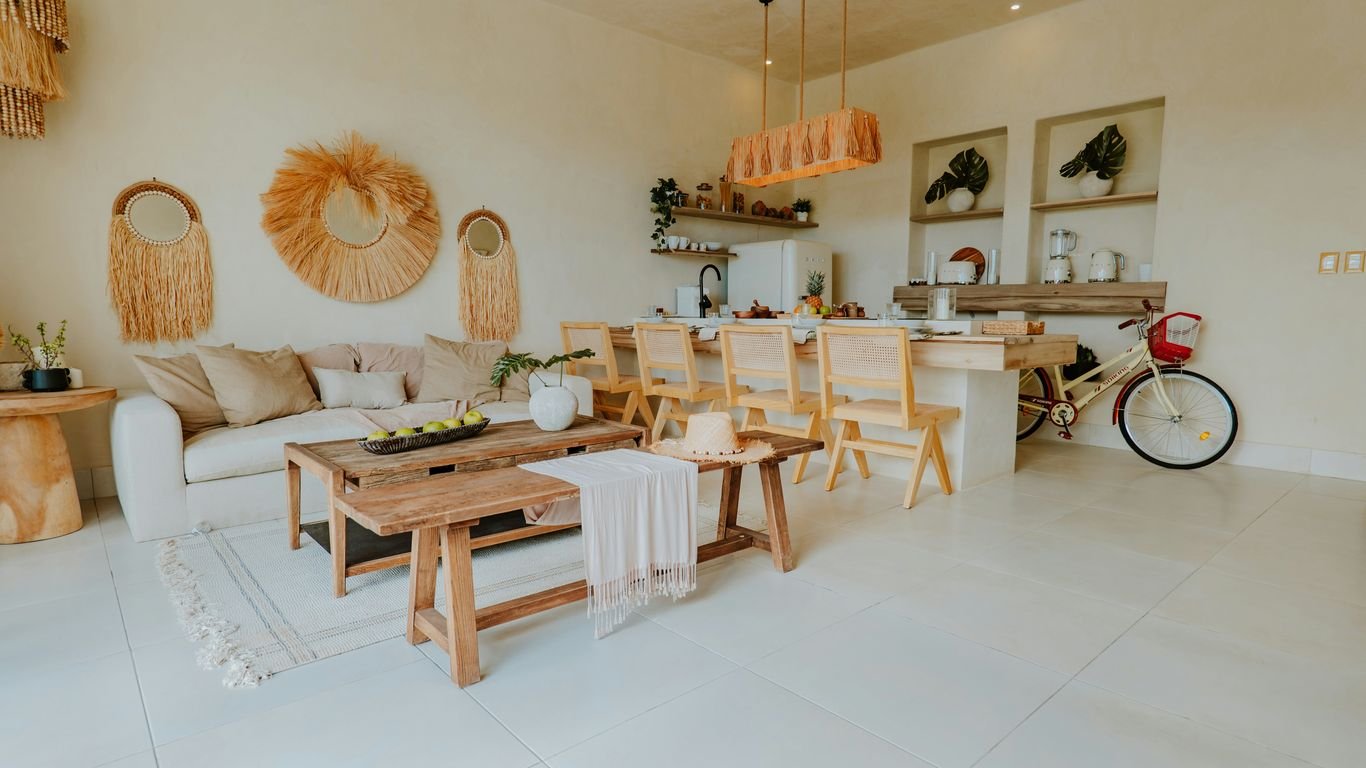
A minimalist look in Sri Lanka isn’t just about empty rooms and white walls. It’s more about balance—creating open, breathable spaces that still reflect a little tropical warmth. In practice, this means using soft, natural colors and plenty of plants or local touches. Minimalism with a tropical twist gives you the best of both worlds—fresh style and comfort that fits right in with the island’s rhythms.
Curated Spaces with Natural Palettes
Curating your space is basically choosing what stays and what goes—but instead of obsession over trends, it’s about keeping things that feel purposeful. Natural palettes, like cream, sand, or pale greens, help keep things light (and beat the heat). Here are some quick ways to build this look:
- Stick to earthy tones for walls and floors.
- Use bamboo, rattan, or light wood furniture with simple shapes.
- Bring in pops of color with local textiles—maybe handwoven throws or batik cushions.
| Item | Natural Palette Option |
|---|---|
| Wall paint | Warm ivory, soft beige |
| Flooring | Polished cement, light teak |
| Upholstery/Soft Furnish | Handloom cotton, linen |
Functional Furniture and Flexible Layouts
You don’t need loads of stuff. The real trick is picking furniture that’s both useful and can do double duty. Think a platform bed with built-in storage or a slim folding desk. Small homes in Colombo or Negombo get the most from multi-purpose furniture—maximizing comfort, not clutter.
Essentials for a flexible, functional home:
- Modular sofas that shift to fit guests or everyday lounging.
- Dining tables that fold away when not in use.
- Storage that’s built into walls or under benches, not out in the open.
Bringing smart solutions to your layout helps make any Sri Lankan home feel a lot bigger—something urban entrepreneurs focus on when trying to maximize their space.
Blurring Boundaries Between Indoor and Outdoor Areas
Minimalism here thrives on a clear link to the outdoors. Think big windows, open doors, or verandahs that simply flow into your courtyard or balcony. This isn’t just for looks—breathing room is important in the tropics.
Some quick ways to blend spaces:
- Use sliding glass doors or wide openings to connect living rooms and gardens.
- Try indoor planters or vertical gardens next to open windows.
- Pick weather-friendly furniture for patios so inside and outside are equally inviting.
Sometimes, the best part of a minimalist tropical home is how the line between outside and in quietly disappears, letting in light, green views, and easy island living.
Reviving Traditional Sri Lankan Crafts in Contemporary Interiors
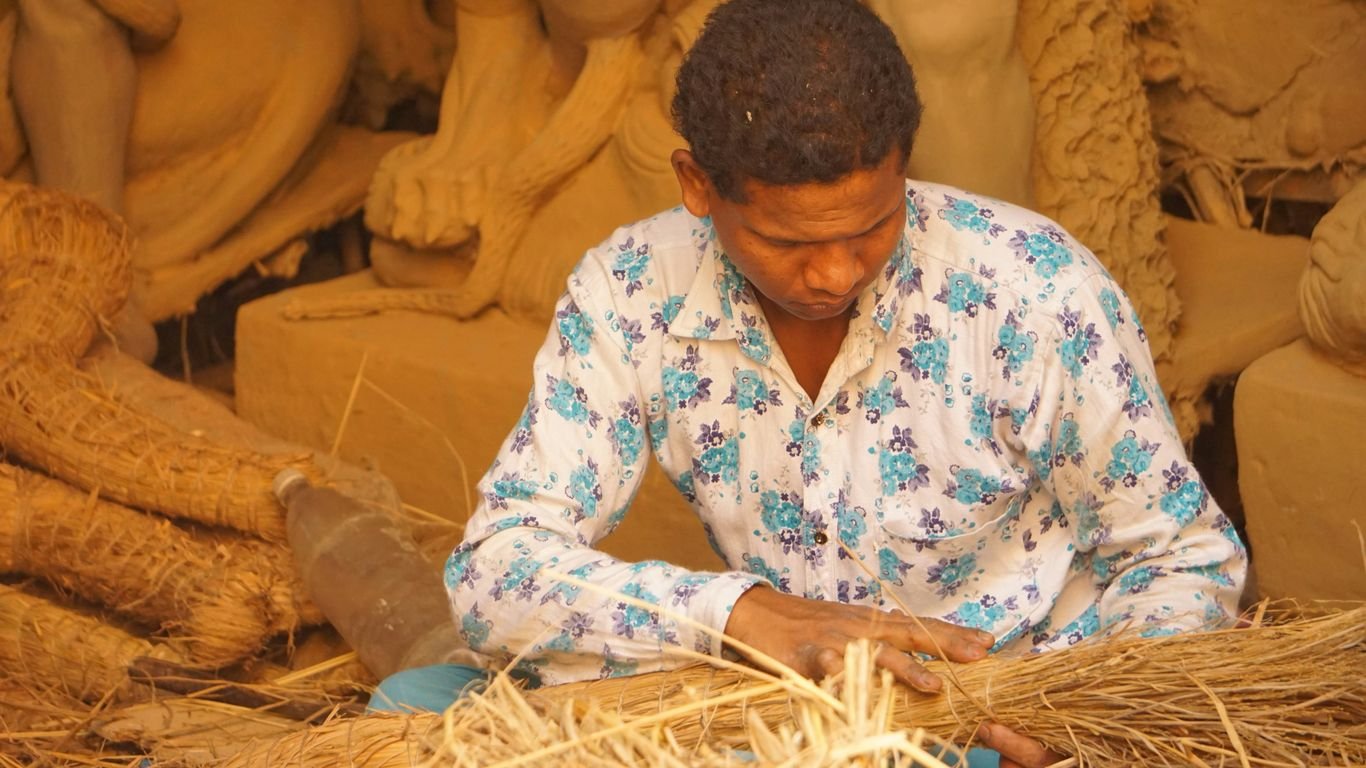
Blending old techniques and fresh ideas at home isn’t just a trend in Sri Lanka—it’s turning into a movement you see everywhere lately. Embracing handcrafted heritage pieces alongside modern elements helps create interiors that feel genuinely personal and culturally rich. There’s something special about adding a story to your living space, and Sri Lankan crafts bring just that.
Incorporating Handwoven Textiles and Batik
- Handloom fabrics and batik designs often show up as curtains, cushion covers, or wall hangings.
- These textiles usually feature botanicals or geometric motifs that echo Sri Lanka’s natural surroundings.
- Mixing vibrant batik with neutral modern furniture keeps things balanced and stops a space from feeling cluttered.
Adding even one handwoven runner or batik tapestry instantly brings warmth and character—spaces feel lived-in, not just decorated.
Locally Crafted Wooden Furniture
Traditional Sri Lankan carpentry goes way beyond the usual mass-produced stuff. Artisans carve chairs, coffee tables, and even doors with patterns passed down for generations. Recently, designers pair a single, bold wooden piece—maybe a classic rattan chair or a chunky sideboard—with simpler modern items. Here’s a quick look at what you might find:
| Traditional Wood Type | Typical Use | Key Appeal |
|---|---|---|
| Jackwood | Benches, cabinets | Natural grain, durable |
| Teak | Dining tables | Rich color, ages well |
| Coconut timber | Accent pieces | Sustainability |
Celebrating Artisanal Pottery and Decorative Accents
- Handmade clay vases and pottery reflect Sri Lanka’s earthy landscape.
- Locally thrown plates, lamps, and candle holders often use traditional glazes—sometimes subtle, sometimes bold.
- These pieces work as everyday tableware, but also double up as beautiful decor when grouped on shelves.
There’s a lot of joy in supporting local makers, too. It’s not just about style; buying crafts sustains age-old skills and keeps those stories alive for the next generation.
Balancing Aesthetics and Functionality for Urban Living
Finding that sweet spot between style and purpose is what urban homes in Sri Lanka are all about in 2025. People want spaces that look good, but more than that, they need rooms that make life easier — especially as apartments and townhouses get smaller and busier. Here’s how thoughtful design can bring both worlds together.
Multi-Functional Design for Small Spaces
Urban living often means making every inch count. Instead of cramming in furniture or decor, homes today are about smart, flexible design — things you can change up as needed.
- Furniture that changes form: think sofa beds, folding tables, or modular seating
- Sliding or movable partitions for privacy and zoning
- Spaces that go from workspace to guestroom in minutes
It’s not about sacrifice; it’s about choice. Smart use of space leaves you room for what matters, whether that’s work, sleep, or having friends over for dinner. Resourceful business practices in Sri Lanka support homeowners in finding these adaptable, practical solutions.
Thoughtful Storage and Seamless Organization
If you want to keep things beautiful and calm, clutter has to go. Storage isn’t just about hiding your stuff, but making sure what you need is always close at hand.
Some effective storage hacks for city homes include:
- Custom built-in units running end-to-end along walls or below seating
- Vertical storage—think tall shelves or cabinets up to the ceiling
- Furniture with storage built-in, like ottomans or lift-up beds
| Solution | Advantage | Typical Use |
|---|---|---|
| Built-in wardrobes | Maximizes wall space | Bedrooms/Hallways |
| Under-bed drawers | Hidden, easy access | Small bedrooms |
| Vertical bookcases | Makes use of height | Living/Study areas |
Reducing visible clutter instantly transforms even the smallest space into a place where you can actually relax after a long day in the city.
Maximizing Comfort Without Compromising Style
Just because a room is practical doesn’t mean it has to look plain. The most inviting homes layer textures, use soft lighting, and mix a few bold touches with calming surroundings. The trick is balance — don’t overload on patterns or colors, but don’t strip all the character away either.
- Start with neutral walls and large furniture, then add colorful accents or art
- Invest in high-quality textiles—rugs, throws, cushions—for softness and warmth
- Opt for ergonomic seating and adjustable lighting to make evenings easy
At the end of the day, blending beauty with real-life needs makes urban living not just bearable, but actually enjoyable. If your space works for you, there’s less time worrying about mess, more time enjoying home life.
Conclusion
So, that’s the big picture for sustainable interior design in Sri Lanka as we head into 2025. It’s not just about picking out some eco-friendly materials or adding a few plants anymore. People are really starting to think about how their homes affect the planet and their own well-being. Whether it’s using bamboo furniture, letting in more natural light, or finding ways to blend local culture with modern style, there are plenty of ways to make your space both practical and earth-friendly. The best part? You don’t have to do everything at once. Even small changes—like switching to LED lights or choosing locally made decor—can make a difference. At the end of the day, it’s about making choices that feel right for you and your home, while also being a little kinder to the environment. And honestly, that’s something everyone can get behind.
Frequently Asked Questions
What are the best eco-friendly materials for interior design in Sri Lanka?
Some of the top eco-friendly materials used in Sri Lankan interior design are bamboo, reclaimed wood, and locally sourced timber. These materials are good for the environment and help create a natural look. Bamboo grows fast and is easy to replace, while reclaimed wood gives old materials a new life.
How can I make my home more energy-efficient?
You can save energy by using large windows to let in natural light, installing LED lights, and choosing energy-saving appliances. Good ventilation and proper insulation also keep your home cool without needing much air conditioning.
What is biophilic design, and why is it popular in Sri Lanka?
Biophilic design means bringing nature inside your home. In Sri Lanka, people use indoor plants, vertical gardens, and natural materials like stone to make their homes feel fresh and relaxing. This design helps you feel closer to nature and can improve your mood.
How can I save water in my home’s interior design?
To save water, you can use low-flow faucets and toilets, set up systems to recycle greywater, and collect rainwater for watering your garden. These steps help reduce water waste and are easy to add to most homes.
How can I include traditional Sri Lankan crafts in modern interiors?
You can use handwoven textiles, batik fabrics, and pottery made by local artists. Adding wooden furniture crafted by Sri Lankan carpenters or using decorative pieces like clay pots brings a touch of tradition to your home.
What are some tips for making small urban spaces both stylish and practical?
Pick furniture that can be used in more than one way, like a sofa bed or tables with storage. Keep your space tidy with smart storage solutions. Use light colors and natural light to make rooms feel bigger, and try to connect indoor and outdoor spaces with big windows or sliding doors.