Planning a kitchen in Sri Lanka? It’s more than just picking out cabinets and countertops. Think about how you actually use your kitchen day-to-day. Is it just for cooking, or is it where the family hangs out? This kitchen design guide Sri Lanka is here to help you figure out the best way to make your kitchen both look good and work well for you. We’ll cover the latest styles, how to make the most of your space, and some clever ideas to keep things organized.
Key Takeaways
- Modern kitchens in Sri Lanka are shifting towards personalized spaces that reflect individual lifestyles and activities beyond just cooking.
- Balancing space, storage, and functionality is key, often achieved by zoning the kitchen into five main areas: sink, pantry, countertop, cooking, and storage.
- Smart storage solutions, like maximizing cabinet space and using pull-out systems, are crucial for maintaining an organized and efficient kitchen.
- Effective lighting, including task and ambient options, along with good ventilation, significantly impacts the kitchen’s ambiance and usability.
- Kitchen islands are becoming central hubs, offering multi-functional benefits and requiring careful consideration of materials, seating, and lighting.
Understanding Modern Kitchen Design Trends in Sri Lanka
The Evolving Role of the Kitchen
Remember when kitchens were just for cooking? Those days are mostly behind us. Today, the kitchen is way more than just a place to whip up a meal. It’s become the heart of the home, a central spot for family gatherings, homework sessions, and even catching up with friends. This shift means kitchen design needs to be more flexible and welcoming than ever before. We’re seeing a move away from purely utilitarian spaces towards areas that blend functionality with comfort and style. The modern Sri Lankan kitchen is designed to be lived in, not just worked in.
Key Elements of Contemporary Kitchens
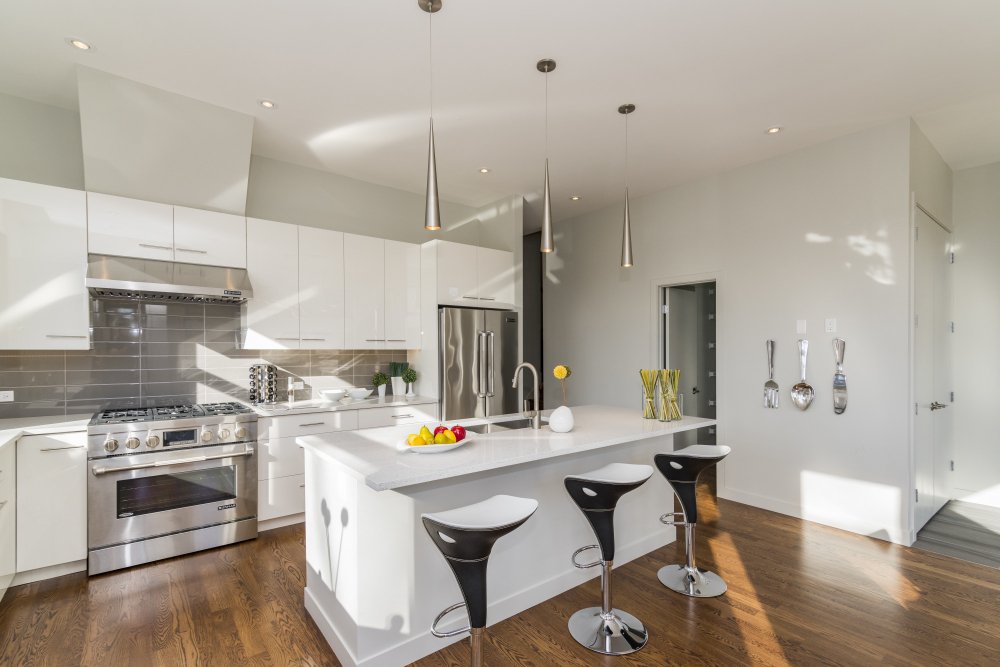
Contemporary kitchens in Sri Lanka are all about clean lines, smart storage, and a personalized feel. Think sleek cabinetry, often handleless, that hides away clutter. Materials are chosen for both looks and durability – quartz countertops are popular, as are natural wood finishes that bring warmth. Lighting plays a big role too, with layered lighting creating different moods and highlighting work areas. It’s a balance of practical needs and a desire for a visually appealing space that feels current and sophisticated.
Personalization and Self-Expression in Design
Forget cookie-cutter kitchens. People want their kitchens to reflect their personality and lifestyle. This means incorporating unique touches, whether it’s a bold backsplash, a specific color palette, or custom-built storage solutions. We’re seeing a rise in mixing materials and textures to create a look that’s distinctly yours. It’s about making the space feel authentic and comfortable, a true extension of the homeowner’s taste. This trend towards personalization means designers are working closely with clients to bring their individual visions to life, moving beyond generic trends to create truly bespoke kitchens.
Choosing Your Kitchen Style: From Classic to Contemporary
Picking the right style for your kitchen is a big deal, right? It’s not just about looks; it’s about how you’ll actually use the space every day. Sri Lanka’s kitchens are evolving, and homeowners are looking for styles that blend tradition with modern living. Let’s break down a few popular directions you can go.
Think timeless elegance. A classic kitchen is all about refined details and a sense of enduring style. It’s a look that doesn’t fade with trends. We’re talking about materials like rich wood cabinetry, often with raised panels and decorative hardware. Countertops might be natural stone, like granite or marble, adding a touch of luxury. The color palette usually leans towards neutrals – soft whites, creams, and gentle grays – creating a calm and inviting atmosphere. Lighting plays a big role here too, with pendant lights over an island or sink and recessed lighting for overall brightness, aiming for that warm, welcoming feel.
Key Elements of Classic Kitchens:
- Cabinetry: High-quality wood (oak, cherry) with raised panels and elegant hardware.
- Countertops: Natural stone like granite or marble for a luxurious, durable surface.
- Color Palette: Neutral tones (whites, creams, grays) for a serene ambiance.
- Flooring: Hardwood or classic tile for warmth and durability.
- Appliances: Stainless steel or integrated into cabinetry for a clean look.
Balancing the timeless look of classic design with the demands of modern functionality can be a bit tricky. The goal is to integrate up-to-date appliances and conveniences without disrupting the overall aesthetic. This often means clever placement or choosing finishes that blend in.
If you’re looking for something more modern and striking, a contemporary kitchen might be your jam. This style is all about clean lines, sleek surfaces, and often, a bit of drama. Think high-gloss finishes, maybe some vibrant accent colors, or even unique materials like concrete or glass. The focus is on a minimalist approach, where form and function are equally important. Cabinetry tends to be flat-paneled, with handleless designs or very simple hardware. It’s a style that feels fresh, dynamic, and very much of the moment.
This style brings a sense of warmth and rustic comfort, blending traditional elements with a relaxed, lived-in feel. It’s cozy without being cluttered. You’ll often see a mix of distressed wood finishes, perhaps paired with a modern sink for a nice contrast. Hardware might be a bit more industrial or vintage-inspired. The color scheme can vary, but it often includes earthy tones, whites, and soft blues or greens. It’s about creating a welcoming heart of the home that feels both practical and charming. Think open shelving for displaying favorite dishes alongside sturdy, functional cabinetry.
Optimizing Layout and Functionality for Your Kitchen
When you’re designing a kitchen, it’s not just about how it looks; it’s really about how it works for you day-to-day. Getting the layout right is super important. You want a space that feels natural to move around in, has enough storage, and makes cooking and cleaning easier. It’s a tricky balance, honestly.
Balancing Space, Storage, and Functionality
Think about the main things you do in your kitchen: cooking, cleaning, storing food, and maybe even eating or chatting. A well-designed kitchen makes all these tasks flow smoothly. It means having enough counter space where you need it, cabinets that are easy to reach, and clear paths to move around without bumping into things. The goal is a kitchen that feels both spacious and incredibly practical.
The Five Primary Kitchen Zones
Most kitchens can be broken down into five key areas. Thinking about these zones helps organize everything:
- The Sink Zone: This is where you’ll wash produce, dishes, and do general cleanup. It needs good counter space on either side for setting things down.
- The Pantry Zone: This is for storing your food items, from dry goods to canned goods. Easy access is key here.
- The Countertop Zone: This is your main prep area. You need enough clear space to chop, mix, and assemble meals.
- The Cooking Zone: This includes your stove, oven, and microwave. It needs ventilation and space for pots and pans.
- The Storage Zone: This covers everything else – utensils, small appliances, cleaning supplies, etc. Think cabinets and drawers.
Considering Workflow and Walkways
How you move around your kitchen matters a lot. A good workflow means the distance between your main zones – sink, stove, and fridge – isn’t too far, but also not too close. This is often called the ‘work triangle’.
A common guideline is that the total distance of the work triangle (the sum of the lengths of the three sides) should be between 12 and 26 feet. Each leg of the triangle should ideally be between 4 and 9 feet long. This setup helps minimize unnecessary steps while you’re busy cooking.
Also, make sure your walkways are wide enough. You don’t want to feel cramped, especially if more than one person is in the kitchen. Aim for at least 3 feet for main pathways, and a bit more, like 3.5 to 4 feet, between work areas if possible. This makes a big difference in how comfortable the kitchen feels to use.
Smart Storage Solutions for an Organized Kitchen

Let’s be honest, a cluttered kitchen is nobody’s friend. It makes cooking a chore and just generally feels chaotic. That’s where smart storage comes in. It’s not just about having enough cabinets; it’s about making sure every item has its place and is easy to get to. Thoughtful storage is the backbone of a functional kitchen.
Maximizing Cabinet and Drawer Space
Think about your cabinets and drawers. Are they just big empty boxes? They don’t have to be. You can add dividers to keep your utensils from becoming a jumbled mess. Deep drawers are fantastic for storing pots and pans, making them way easier to access than digging through a lower cabinet. For smaller items like spices or condiments, slim, sliding pull-out units work wonders. They fit into narrow spaces and keep everything visible.
Here are some ideas to get more out of your cabinets and drawers:
- Drawer Dividers: Adjustable dividers can be customized for cutlery, cooking tools, or even spices.
- Deep Pull-Out Drawers: Ideal for bulky items like pots, pans, and small appliances.
- Spice Racks: Mount these inside cabinet doors or use slim pull-out units.
- Waste Bins: Integrated pull-out bins keep trash and recycling out of sight.
Innovative Pull-Out and Sliding Systems
These systems are game-changers, especially for those awkward corners or deep cabinets. Pull-out shelves make it simple to reach items at the back without having to empty the entire shelf. Corner units can be designed with rotating shelves, like a lazy Susan, or pull-out mechanisms that bring everything forward. It’s all about making every inch of space usable and accessible. You can even find specialized pull-outs for things like baking sheets or cutting boards.
Utilizing Vertical Space Effectively
Don’t forget about the space above your head! Floor-to-ceiling cabinets are a great way to maximize storage. This means you can store less frequently used items higher up, keeping your countertops clear. Think about adding extra shelves within existing cabinets or using stackable organizers. Even the space above your refrigerator can be utilized with a dedicated cabinet. This approach helps maintain a clean, uncluttered look, which is a big part of modern kitchen design. It’s amazing how much more you can fit when you think vertically. You can find some great cabinetry solutions that focus on this.
Enhancing Ambiance with Lighting and Ventilation

Think about it: a kitchen that’s too dim just feels… off. It can make the space seem smaller and a bit messy, even if it’s spotless. Getting the lighting and airflow right is a big deal for how your kitchen feels and works.
Strategic Task and Ambient Lighting
Good lighting isn’t just about one overhead light. You need layers. First, there’s ambient lighting, which is the general light that fills the room. This usually comes from ceiling fixtures. Then, you’ve got task lighting. This is super important for all the work you do at the counter. Think about putting lights under your cabinets – they’re great for illuminating your prep areas and getting rid of those dark corners. Pendant lights over an island or a sink area also add both light and a nice visual element.
The Importance of Natural Light and Airflow
Whenever possible, let the sunshine in! Natural light makes a kitchen feel more open and pleasant. Ideally, about 8% of your kitchen space should be taken up by windows. Good airflow is just as key. It helps keep the air fresh and prevents cooking smells from lingering. Open windows when you can, especially when you’re cooking up something fragrant.
Effective Ventilation for a Fresh Kitchen
This is where ventilation systems come in. A proper exhaust fan or a kitchen chimney above your stove is a must. It pulls smoke, steam, and grease out of the air. Aim for a system that can move at least 150 cubic feet of air per minute. This keeps your kitchen cleaner and smelling better, which is a win-win.
Proper ventilation and lighting work together. Good lighting makes tasks easier and safer, while effective ventilation keeps the air clean and the space feeling fresh. It’s about creating a kitchen that’s not just functional but also a pleasant place to be.
Here’s a quick rundown of what to consider:
- Ambient Lighting: General room illumination from ceiling fixtures.
- Task Lighting: Focused light for work surfaces (under-cabinet, pendant lights).
- Natural Light: Maximize window space for a brighter feel.
- Ventilation: An exhaust fan or chimney is vital for removing smoke and odors.
Getting these elements right makes a huge difference in your daily kitchen experience.
Kitchen Island Design: A Central Hub for Your Home
So, you’re thinking about a kitchen island? Good move. It’s more than just a piece of furniture; it’s really become the heart of many Sri Lankan homes. Forget just a place to chop veggies – these islands are workhorses, social spots, and style statements all rolled into one. A well-designed island can totally transform how you use your kitchen.
Multi-Functional Island Concepts
Let’s be real, kitchens need to do a lot. Your island can help with that. Think beyond just a flat surface. You can build in storage, like deep drawers for those bulky pots and pans or pull-out bins for trash and recycling. Some people even integrate small appliances, like a built-in microwave or a wine fridge, right into the island. It’s all about making your kitchen work smarter, not harder.
Here are a few ideas to get you thinking:
- Prep Station: Add a butcher block section for easy chopping and a built-in compost bin.
- Social Hub: Include comfortable seating like bar stools and maybe even a small sink for easy cleanup during gatherings.
- Storage Powerhouse: Maximize cabinets and drawers, perhaps even adding open shelving for display items.
- Tech Integration: Consider pop-up electrical outlets for charging devices or powering small appliances.
The key is to look at your daily routine and figure out what would make your life easier. Don’t just add an island because it looks good; make sure it does good things for your kitchen.
Selecting Materials and Finishes for Islands
This is where your island really starts to show its personality. The materials you choose will affect durability, maintenance, and of course, the look. Granite and quartz are popular for their toughness and easy cleaning, which is great for busy kitchens. Wood can add warmth, but it might need a bit more care. Stainless steel offers a modern, professional feel.
When it comes to finishes, the sky’s the limit. High-gloss surfaces can make a space feel bigger and more modern, while matte finishes offer a softer, more contemporary vibe. Think about how the island’s material and finish will complement your countertops, cabinets, and flooring. You want it to feel like it belongs, not like an afterthought.
Integrating Seating and Lighting Around Islands
An island isn’t just for cooking; it’s for living. Adding seating turns it into a casual dining spot or a place for kids to do homework while you cook. Bar stools are a classic choice, but consider benches or even just a clear overhang for chairs if space is tight. Make sure there’s enough legroom!
Lighting is also super important. Pendant lights hung above the island look fantastic and provide focused light for food prep. Ambient lighting around the island can create a cozy atmosphere for evening chats. Don’t forget task lighting under any overhangs or cabinets to keep your workspace well-lit. Good lighting makes a huge difference in both function and feel.
Sustainable and Smart Kitchen Innovations
Eco-Conscious Material Choices
Thinking about building or renovating your kitchen in Sri Lanka? It’s a great time to consider materials that are good for the planet. We’re seeing a real shift towards using resources that are renewable or have a lower environmental impact. Think about cabinets made from reclaimed wood or bamboo, which grows super fast. Countertops can be made from recycled glass or even sustainable composite materials. Even the paints and finishes are getting greener, with low-VOC (volatile organic compound) options becoming more common. These choices not only help reduce your home’s footprint but often bring a unique, natural beauty to your kitchen space.
Energy-Efficient Appliances and Fittings
When it comes to appliances, energy efficiency is key. Look for the highest star ratings you can find on refrigerators, ovens, and dishwashers. Induction cooktops, for example, are much more efficient than traditional electric or gas stoves. Don’t forget the smaller things, like faucets and showerheads. Water-saving models can make a big difference over time, reducing both your utility bills and your water consumption. It’s about making smart choices that save money and resources.
Integrating Smart Technology Seamlessly
Smart kitchens are no longer just a futuristic idea; they’re becoming a reality. Imagine lights that adjust automatically based on the time of day or your presence, or faucets that dispense pre-set amounts of water with a simple touch. Some refrigerators can even help you track your inventory and suggest recipes based on what you have. The goal is to make your kitchen work for you, simplifying daily tasks and making the space more responsive to your needs. It’s about convenience and a touch of modern magic.
The kitchen of tomorrow is one that blends technology with thoughtful design, creating spaces that are not only beautiful and functional but also responsible. It’s about making choices that benefit both your household and the environment, leading to a more comfortable and efficient living experience.
Wrapping It Up
So, designing a kitchen in Sri Lanka can feel like a big task, right? We’ve gone over a bunch of ideas, from making it super modern to keeping it cozy and classic. Remember, the kitchen is really the heart of your home, so it should work for you and look good doing it. Think about what you actually do in your kitchen every day – cooking, chatting, maybe even working a bit. By mixing in some of the latest trends with practical tips on layout and storage, you can create a space that’s not just pretty, but also super functional. Don’t be afraid to mix and match styles to make it truly yours. Happy designing!
Frequently Asked Questions
What are the most popular kitchen design styles in Sri Lanka right now?
Many people in Sri Lanka are loving kitchens that mix old and new styles. Think about a modern farmhouse look with wooden cabinets and cool metal handles, or a super sleek, modern design with shiny surfaces and bright colors. Some also prefer a cozy, classic feel with calm colors and traditional cabinets.
How can I make sure my kitchen is functional and not just pretty?
Functionality is key! Think about how you’ll use the kitchen. Divide your kitchen into zones like cooking, cleaning, and storage. Make sure there’s enough space to move around easily. Good storage helps keep things tidy so you can cook without a mess.
What are some clever ways to add more storage to my kitchen?
You can use cabinets and drawers more wisely. Think about deep drawers for pots and pans, special organizers for your cutlery, and using the full height of your walls with shelves. Pull-out shelves and corner units can also make hard-to-reach spots useful.
Why is lighting and ventilation so important in a kitchen?
Good lighting makes your kitchen look better and helps you see what you’re doing, especially when cooking. Natural light is great, but you also need lights over work areas. Good ventilation, like an exhaust fan, gets rid of cooking smells and keeps the air fresh.
What makes a kitchen island a great addition to my kitchen?
Kitchen islands can be super useful! They can be a place to prepare food, eat, store things, or even work. They can become the main spot where everyone hangs out. You can add seating, lights, and lots of storage to make it a real centerpiece.
Are there eco-friendly options for designing my kitchen?
Yes, definitely! You can choose materials that are good for the environment, like recycled wood or bamboo. Using energy-efficient appliances and water-saving faucets also helps. Smart technology can also make your kitchen more efficient and less wasteful.