Understanding renovation permit requirements Sri Lanka homeowners face is the first and most important step before breaking a single wall. Skip this step and you risk fines, forced demolition, or serious headaches when you try to sell or mortgage your property later.
Do You Always Need a Permit for Home Renovations in Sri Lanka?
No, not always. Whether you need a permit depends primarily on the nature and scale of your renovation. Minor cosmetic work generally doesn’t trigger a formal approval process. Structural changes, extensions, and anything that affects your building’s footprint or load-bearing elements almost certainly do.
The key threshold is this: if your renovation changes the structure, increases the floor area, or alters how the building relates to its plot boundaries, you will need formal approval. If you’re repainting walls or replacing a kitchen cabinet, you won’t. Everything in between depends on your local authority’s specific regulations.
Which Authority Issues Renovation Permits? (UDA, CMC, Local Councils Explained)
This is where many homeowners get confused, and understandably so. Sri Lanka has multiple layers of authority, and the right one depends on where you live.
The Urban Development Authority (UDA) oversees development in designated urban zones across the country. If your property falls within a UDA-declared area (which covers most of greater Colombo and many other growing urban centres), UDA approval is likely required for significant structural work.
The Colombo Municipal Council (CMC) handles permits for properties within Colombo city limits. Similarly, the Kandy Municipal CouncilGampaha Urban Council, and equivalent bodies in other districts are the go-to authorities for their respective areas. Outside major municipalities, your Pradeshiya Sabha (divisional council) handles approvals.
For projects in coastal zones or heritage-designated areas, you may also need clearance from the Coast Conservation Department or the Central Cultural Fund. The practical advice: call or visit your local municipal office first and ask directly which bodies need to sign off on your specific project type.
Renovations That Typically Require a Permit
As a general rule, any of the following will require you to go through the formal approval process before work begins:
- Building extensions or adding new rooms
- Demolishing and rebuilding walls (especially load-bearing ones)
- Adding a new floor or mezzanine level
- Changing the use of a space (for example, converting a garage into a bedroom)
- Major structural reinforcement or foundation work
- New plumbing connections or drainage alterations affecting the main line
- Roofing changes that alter the building’s overall structure
Extensions are probably the most common scenario. If you’re planning to add a room, understanding renovation permit requirements Sri Lanka authorities apply to extensions early on will save you weeks of delays mid-project.
Renovations That Usually Don’t Require a Permit
Plenty of common home improvements sit outside the permit process entirely. These typically include:
- Repainting interior or exterior walls
- Replacing floor tiles without structural work below
- Fitting new kitchen cabinets or bathroom fittings (no drainage relocation)
- Installing false ceilings in existing rooms
- Replacing windows or doors within existing openings
- Garden landscaping and minor outdoor paving
That said, even “minor” work can cross into permit territory if your property sits in a special zone. When in doubt, a quick check with your local council takes 30 minutes and can save months of stress. You can also read more about how to prioritise your renovation spending in Sri Lanka to plan around permit costs from the start.
Step-by-Step: How to Apply for a Building Permit in Sri Lanka
The process looks similar across most local authorities, though exact steps and forms vary by district. Here’s a clear walkthrough.
Step 1: Get Your Drawings Prepared
You’ll need architectural drawings of your proposed renovation, prepared and signed by a registered architect or chartered engineer (registered with the Sri Lanka Institute of Architects or the Institute of Engineers Sri Lanka). These must show existing conditions and proposed changes clearly.
Step 2: Visit Your Local Authority
Go to your municipal council, urban council, or Pradeshiya Sabha office and collect the application form. Ask the planning or building division specifically. While you’re there, confirm which supporting documents they require for your renovation type, it varies.
Step 3: Compile and Submit Your Application
Submit your completed application with all required documents (listed below). Some councils now allow partial online submission, but most still require physical submission and in-person verification of originals.
Step 4: Site Inspection
The council will typically send an officer to inspect the property. Be present if you can, and ensure access is clear. This inspection confirms your drawings match the actual site.
Step 5: Approval and Permit Issuance
Once approved, you’ll receive a formal permit document. Keep this on-site throughout construction. Some authorities issue a preliminary letter of approval while the formal certificate is processed.
Documents You Will Need to Submit
Requirements differ by authority, but for most residential renovation permits in Sri Lanka, expect to provide:
- Completed application form (from the relevant council)
- Certified copy of the land deed or title document
- Survey plan of the property (from a licensed surveyor)
- Architectural drawings (existing and proposed), signed by a registered professional
- Structural drawings if load-bearing work is involved
- National Identity Card copies of the property owner(s)
- Proof of property rates payment (up-to-date municipal rates receipts)
- Letter of consent from co-owners or neighbours if the work affects shared boundaries
For UDA-regulated zones, you may also need to submit a planning report and comply with specific Floor Area Ratio (FAR) and setback requirements under the UDA development plan for your zone.
Permit Fees and Approval Timelines: What to Realistically Expect
Fees are calculated based on the scale and value of the proposed work. A straightforward residential extension in a Pradeshiya Sabha area might cost between LKR 5,000 and LKR 25,000 in permit fees. Within CMC limits or UDA zones, fees can run higher, often LKR 30,000 to LKR 100,000 or more for larger projects, depending on construction value assessments.
Timelines are where homeowners often get caught off guard. A realistic estimate for a straightforward permit approval in a municipal council area is 4 to 12 weeks. Complex projects, incomplete documentation, or high-volume periods at the council can push this to 4 to 6 months. Build this into your project schedule from day one.
Understanding renovation permit requirements Sri Lanka councils apply to fee structures means getting a quote from a registered architect before you budget. Architect fees for drawing preparation typically range from LKR 50,000 to LKR 200,000 for a standard residential extension, depending on complexity and the professional’s experience.
What Happens If You Renovate Without a Permit in Sri Lanka?
The risks are real. Local authorities have the legal power to issue stop-work orders, slap you with fines, and in serious cases, order the partial or full demolition of unauthorised structures. Under the Urban Development Authority Act and relevant municipal ordinances, penalties can include fines and even prosecution in persistent cases.
Beyond the immediate legal risk, unpermitted work creates serious problems when you want to sell your property, obtain a bank loan, or transfer the deed. Banks and legal professionals do check, and an encumbrance caused by unpermitted construction can stall or kill a sale.
Tips for Speeding Up Your Permit Approval
There are practical ways to reduce delays without cutting corners.
- Submit complete documents the first time. Incomplete applications are the single biggest cause of delays. Do a checklist review before you walk into the council.
- Use a registered architect who knows the local council. Professionals who regularly work with your specific municipality know what inspectors expect and can flag issues before submission.
- Pay your rates in advance. Outstanding municipal rates will block approval. Clear any arrears before you apply.
- Follow up regularly. Visit or call the council every two to three weeks. Applications that are chased move faster than those left sitting in a pile.
- Avoid peak periods. End-of-year and post-holiday periods tend to see backlogs. Submitting mid-year often moves faster.
How a Designer or Contractor Can Help With the Permit Process
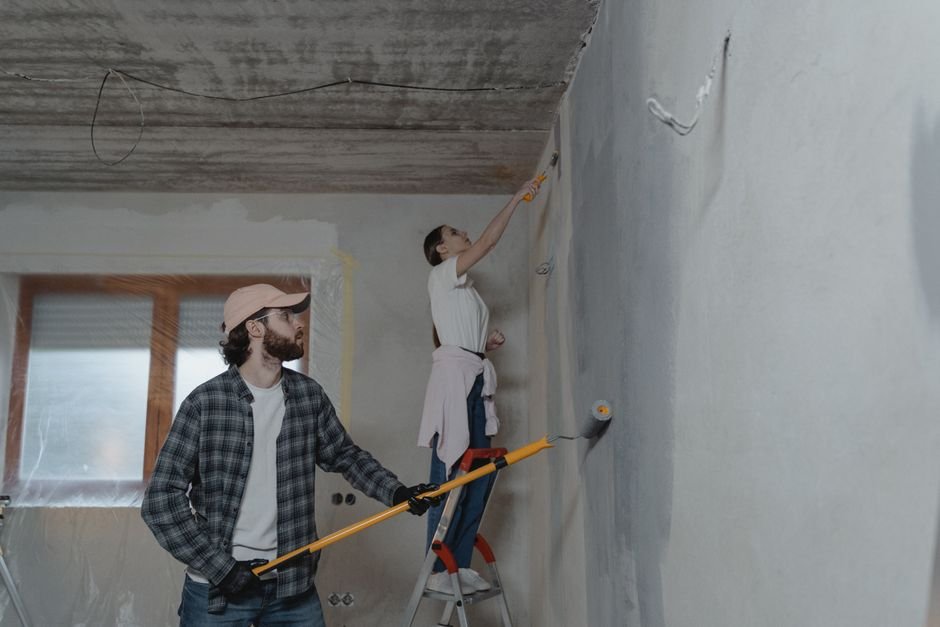
A qualified interior designer or contractor who works regularly in Sri Lanka will already have relationships with local council officers and a solid understanding of submission requirements. They can handle drawing preparation, compile your documents, and accompany you to the council for submission. This alone can cut weeks off your timeline.
If you’re planning significant changes like a bathroom extension, it’s worth reading up on bathroom renovation costs in Sri Lanka alongside permit costs, so your full budget is realistic from the start. And if you’re considering bringing in a professional for the design itself, working with an interior designer in Sri Lanka covers what that relationship looks like and what to expect.
A good designer won’t just make your home look better. They’ll help you avoid costly legal complications by ensuring your renovation permit requirements Sri Lanka authorities expect are met properly and efficiently. That’s a practical investment, not just an aesthetic one.
For authoritative guidance on building regulations and professional standards, the Urban Development Authority of Sri Lanka and the Institute of Engineers Sri Lanka are useful reference points for understanding the regulatory framework behind the permit process.
FAQ
Do I need a permit to add a room or extend my house in Sri Lanka?
Yes. Adding a room or extending your home changes the building’s footprint and floor area, which triggers the formal permit process with your local municipal council, urban council, or Pradeshiya Sabha. You will need architectural drawings and a full application before work begins.
How long does it take to get a building permit approved in Sri Lanka?
For a straightforward residential project, expect 4 to 12 weeks in most municipal areas. Complex projects or incomplete applications can push this to 4 to 6 months. Build the permit timeline into your project schedule before you commit to a contractor start date.
What are the penalties for renovating without a permit in Sri Lanka?
Local authorities can issue stop-work orders, impose fines, and in serious cases order demolition of unauthorised structures. Unpermitted work also creates legal complications when selling or mortgaging your property, as it can appear as an encumbrance on the deed.
Can my contractor or interior designer handle the permit application on my behalf?
Yes, in most cases. A registered architect or qualified contractor can prepare drawings, compile documents, and submit the application on your behalf. You will still need to sign the application as the property owner and provide your deed and identification documents.
Is a permit required for interior-only renovations like tiling or partition walls?
Simple tiling work generally does not require a permit. Non-structural partition walls are usually exempt too, but this depends on your local council’s rules. If the partition affects a structural element or fire safety, approval may be needed. When uncertain, a quick call to your local council office will give you a definitive answer in minutes.