Your choice of false ceiling material options and cost in Sri Lanka can make or break a renovation budget, so this guide puts real numbers and local context side by side. Whether you’re fitting out a Colombo apartment living room or a Kandy boutique restaurant, the material you choose affects not just aesthetics but also how well your ceiling survives monsoon humidity, coastal salt air, and the heat of a Sri Lankan summer.
What Is a False Ceiling and Why Sri Lankan Homes Use Them
A false ceiling, also called a dropped ceiling or suspended ceiling, is a secondary layer installed below the structural slab of a room. It creates a cavity between the two layers, which is useful for hiding wiring, plumbing pipes, and AC ducts. In Sri Lanka, false ceilings have become standard in modern homes and commercial fit-outs because they also help insulate against heat, reduce sound transfer between floors, and give designers a clean surface for recessed lighting.
Beyond the practical side, a well-designed false ceiling transforms the feel of a room dramatically. A coffered gypsum design in a living room adds a sense of occasion; a simple PVC ceiling in a kitchen keeps maintenance stress-free. Understanding which material suits which purpose saves you money and avoids costly replacements down the line.
False Ceiling Material Options Available in Sri Lanka
Five materials dominate the local market. Each has a distinct profile in terms of durability, moisture resistance, aesthetics, and installed cost. Here is a plain-language summary of each.
Gypsum Board
Gypsum board (sometimes called drywall or plasterboard) is a pressed calcium sulphate panel fixed to a metal frame. It gives the smoothest finish of any false ceiling material and takes paint beautifully. Contractors can shape it into curves, coves, and intricate profile borders. The downside in Sri Lanka is moisture: standard gypsum softens and can sag in wet areas unless you specifically request moisture-resistant (MR) grade board, which costs slightly more.
PVC Panels
PVC (polyvinyl chloride) panels clip together on a lightweight aluminium frame. They are waterproof, wipe-clean, and almost impervious to mould, making them popular in kitchens, bathrooms, and budget commercial spaces. The aesthetic is more functional than luxurious, and they can look plasticky in premium living areas, but the price and zero-maintenance appeal is hard to argue with.
Calcium Silicate Board
Calcium silicate board is a compressed cement-fibre panel, more rigid than gypsum and genuinely moisture and fire resistant. It is the go-to choice for coastal properties, high-humidity areas, and commercial kitchens where fire ratings matter. The surface is slightly rougher than gypsum, so finishing requires more skim work, but the longevity justifies the extra effort.
Metal Grid (Armstrong / T-Grid) Systems
A T-grid system is a suspended metal framework into which flat tiles, typically 600mm x 600mm mineral fibre or metal panels, simply drop in. The grid is visible from below, giving a commercial, office-style look. The tiles can be lifted out individually for easy access to services above, which is a big plus in offices or server rooms. This system is rarely used in residential spaces because of its industrial appearance, but it is fast to install and very practical.
Cane, Bamboo, and Timber Panels
Natural materials like woven cane, bamboo panels, and timber planks have gained popularity in boutique restaurants, resort villas, and eco-conscious homes. They bring genuine warmth and a Sri Lankan character that no synthetic panel can replicate. The trade-off is cost, maintenance, and sensitivity to moisture. Untreated natural materials can warp or attract insects in humid conditions, so proper sealing and periodic treatment are non-negotiable. For ideas on eco-friendly ceiling materials for sustainable interiors in Sri Lanka, there is more detailed guidance available on the topic.
False Ceiling Cost in Sri Lanka: Per Material Breakdown (LKR per sq ft)
The false ceiling material options and cost in Sri Lanka vary considerably, and the table below captures current market ranges inclusive of materials and standard labour. Colombo rates run roughly 15 to 20 percent higher than outstation towns like Kurunegala, Matara, or Anuradhapura. Prices below are per square foot, installed.
| Material | Cost Range (LKR/sq ft) | Best For | Moisture Resistance |
|---|---|---|---|
| Standard Gypsum Board | 550–850 | Living rooms, bedrooms | Low (use MR grade near wet areas) |
| MR Gypsum Board | 700–1,000 | Kitchens, bathrooms | Moderate |
| PVC Panels | 350–600 | Kitchens, bathrooms, budget spaces | High |
| Calcium Silicate Board | 750–1,100 | Coastal homes, commercial kitchens | Very High |
| Metal T-Grid System | 600–950 | Offices, retail, server rooms | High |
| Cane / Timber Panels | 1,200–2,500+ | Villas, boutique restaurants | Low (needs treatment) |
These figures assume a flat ceiling with basic recessed light cutouts. Add 20 to 35 percent for cove designs, curved profiles, or multi-level false ceilings, as the framing and finishing work increases significantly. For a complete picture of what renovation work costs across the board, see this full interior design cost breakdown for Sri Lanka.
Which False Ceiling Material Is Best for Sri Lanka’s Climate?
Sri Lanka’s climate creates three distinct challenges for ceiling materials: persistent humidity across most of the country, intense heat especially in the dry zone, and salt-laden coastal air within roughly five kilometres of the shoreline.
Humidity is the biggest enemy of standard gypsum in Sri Lanka. A ceiling installed without proper sealing in Colombo’s southwest or in any room with poor ventilation can show yellowing, bubbling paint, or sagging within two to three years. If you’re in a humid region, MR gypsum or calcium silicate is a smarter investment even if the upfront cost is higher.
Coastal properties, particularly from Negombo down through Galle and up the eastern coast, face accelerating corrosion of metal components. Use galvanised or powder-coated framing, and favour calcium silicate panels over standard gypsum. PVC is also a solid low-maintenance pick in coastal kitchens and bathrooms.
In the dry zone, where temperatures routinely climb above 34°C, heat retention inside the ceiling cavity can become uncomfortable. A light-coloured or reflective ceiling surface helps, and pairing any material with a reflective insulation layer inside the cavity makes a real difference to room temperature. This consideration matters most in towns like Anuradhapura, Polonnaruwa, and Trincomalee.
False Ceiling Costs by Room Type: Living Room, Bedroom, Kitchen, Office
Room size and function drive material choice as much as aesthetics do. Below is a practical guide to typical costs per room for a mid-size Sri Lankan home or commercial space.
Living Room (approx. 200 to 350 sq ft)
Gypsum board with a cove detail and two to four recessed lights is the most common choice. Expect to pay LKR 160,000 to 350,000 all-in, depending on complexity of the design and the city you’re in.
Bedroom (approx. 120 to 200 sq ft)
A simple flat gypsum or MR gypsum ceiling with two recessed lights typically runs LKR 80,000 to 160,000. Timber or cane panels for a boutique bedroom feel will push costs closer to LKR 200,000 to 400,000.
Kitchen (approx. 80 to 150 sq ft)
PVC or MR gypsum is the practical call here. PVC installed cost: LKR 35,000 to 90,000. MR gypsum with a semi-gloss finish: LKR 65,000 to 130,000. Avoid standard gypsum near cooking steam and vapour.
Office or Retail Space (per 1,000 sq ft)
Metal T-grid with mineral fibre tiles is the fastest and most cost-effective option for commercial spaces. Budget LKR 600,000 to 950,000 per 1,000 sq ft, including basic lighting grids. For restaurant fit-outs, where ambience matters as much as function, take a look at the specific considerations around false ceiling options for restaurant fit-outs in Sri Lanka.
Hidden Costs to Budget For: Labour, Lighting, Paint, and Permits
The per-square-foot rate rarely tells the full story. Several additional costs catch first-time clients off guard.
- Skilled labour: In Colombo, experienced ceiling contractors charge LKR 150 to 300 per sq ft for labour alone, separate from materials. Outstation rates are typically 20 to 30 percent lower.
- Recessed lighting: Each recessed LED downlight cutout, wiring, and fitting adds LKR 4,000 to 10,000 per point, depending on the fitting quality.
- Ceiling paint: A double coat of quality ceiling paint (Dulux, Nippon, or Lankem) costs LKR 18 to 35 per sq ft in material. Getting the right finish matters as much as the paint itself. For guidance on choosing the right ceiling paint finish in Sri Lanka, that resource covers sheen levels and primer requirements in local conditions.
- Local authority permits: Major structural changes in commercial properties may require approval from your local municipal council. Residential false ceilings generally don’t need permits, but always confirm with your contractor if you’re in a condominium with body corporate rules.
- AC duct integration: If you’re running new ducted AC, factor in an additional LKR 50,000 to 150,000 for duct boxing and grille integration, depending on the system size.
How to Choose the Right False Ceiling for Your Budget
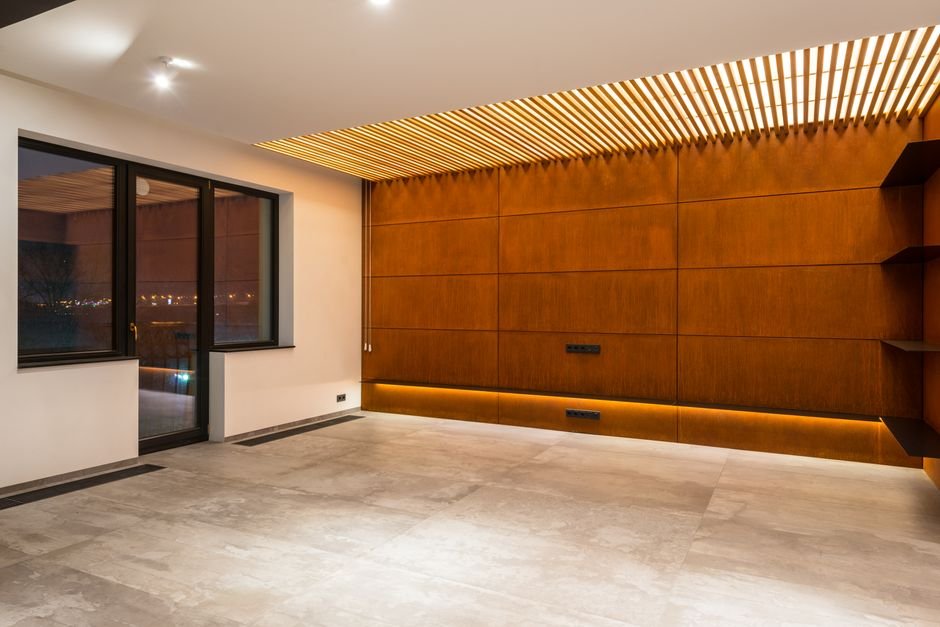
Matching false ceiling material options and cost in Sri Lanka to your actual situation comes down to three questions: Where is the room? What is it used for? What is your realistic budget?
For dry interior rooms in non-coastal areas, standard gypsum board gives you the best finish-to-cost ratio. Spend the savings on better lighting or a quality paint job. For wet rooms, kitchens, or coastal locations, upgrade to MR gypsum or calcium silicate. The extra LKR 150 to 250 per sq ft now saves you a full replacement in three to five years.
If budget is the primary constraint, PVC delivers functional durability for a fraction of the cost. It won’t win design awards, but in a rental property, staff canteen, or back-office space, it is a perfectly sensible choice. For premium spaces where the ceiling is genuinely part of the design statement, timber or cane panels with professional sealing create something no synthetic material can match.
Always get at least three quotes from contractors, ask specifically which grade of board they are pricing, and request to see a completed project in a similar room type before committing. A professional interior designer can consolidate this process and often secures better contractor rates through established relationships. If you’d like personalised guidance on materials and budgets for your space, a consultation with a local design professional is a smart first step.
FAQ
What is the cheapest false ceiling option in Sri Lanka?
PVC panels are the most affordable option, with installed costs starting around LKR 350 per sq ft. They are waterproof and low-maintenance, making them practical for kitchens, bathrooms, and budget commercial spaces, though the finish is more functional than decorative.
Is gypsum board or PVC better for Sri Lanka’s humid climate?
For humid rooms or coastal areas, moisture-resistant (MR) gypsum or calcium silicate board is generally better than standard gypsum because it holds up without sagging or yellowing. PVC is the most moisture-proof option and works well in kitchens and bathrooms. Standard gypsum is best reserved for dry interior rooms with good ventilation.
How much does it cost to install a false ceiling per square foot in Sri Lanka?
Installed costs range from roughly LKR 350 to 600 per sq ft for PVC, LKR 550 to 1,000 for gypsum (standard or MR), LKR 750 to 1,100 for calcium silicate, and LKR 1,200 upwards for natural timber or cane. Colombo rates run 15 to 20 percent higher than outstation areas.
Can I add recessed lighting to any false ceiling type?
Yes, recessed lights can be cut into gypsum, MR gypsum, calcium silicate, and PVC ceilings. Metal T-grid systems use their own compatible light panels. Natural timber and cane ceilings can take surface-mounted or recessed fittings, but require careful planning to avoid weakening the material around the cutout. Budget LKR 4,000 to 10,000 per light point for fitting and wiring.
How long does false ceiling installation take for a standard room?
A standard 150 to 200 sq ft bedroom or living room ceiling typically takes two to four days: one day for framing and board fixing, one day for jointing and skim, and one to two days for painting after drying. PVC installations are faster, often completed in a single day. Complex cove or multi-level gypsum designs can take five to seven days.